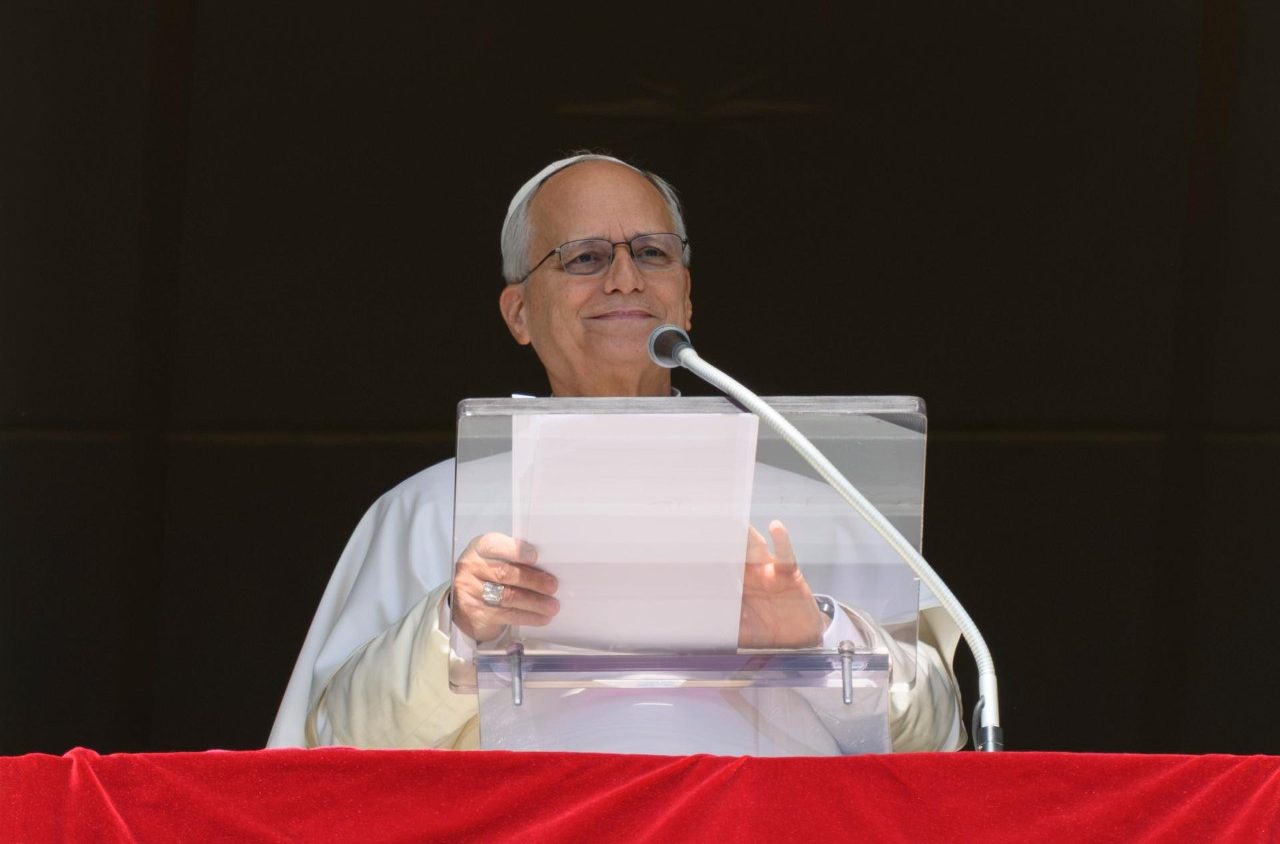
Pope Leo XIV issued a decree on Saturday recognizing a miracle attributed to the intercession of the Lebanese Greek Catholic priest Bechara Abou Mrad, paving the way for his beatification. The news was welcomed with joy by the religious order to which the priest belonged, who lived between 1853 and 1930, as well as by the President of Lebanon, Joseph Aoun.
Details of the Decree and Beatification Process
The Holy See reported that the Pontiff received in audience Cardinal Marcello Semeraro, Prefect of the Dicastery for the Causes of Saints, and authorized the promulgation of several decrees, including one recognizing “the miracle attributed to the intercession of the Venerable Servant of God Bechara Abou Mourad, priest of the Basilian Order of the Most Holy Savior of the Melkites, born on May 19, 1853 in Zahlé, Lebanon, and died on February 22, 1930 in Sidon,” in the south of the country.
The Vatican has not yet set a date for the beatification ceremony. Once beatified, the recognition of a second miracle attributed to Blessed Bechara Abou Mrad will be required for his canonization as a saint.
Life of the Venerable and Reactions
The Lebanese priest was declared “Venerable” in 2009 by Pope Benedict XVI, meaning the Holy See formally recognized his “heroic virtues,” i.e., spiritual and moral qualities considered beyond what is ordinarily expected in Christian life. His remains rest in the convent of San Salvador in Joun, also in southern Lebanon.
The Basilian Order of the Most Holy Savior welcomed the decree with enthusiasm and described the beatification as “a significant step for the Catholic Church in Lebanon.” Meanwhile, President Joseph Aoun congratulated the Greek Catholic community and the Basilian order on what he called a new “bright milestone in the history of the Eastern Church and Lebanon.” Aoun stated that the recognition “embodies the values on which our country is founded: faith, a message of love, and a culture of coexistence, and reflects the role of Lebanese religious orders in spreading knowledge.”
Original source: www.lorientlejour.com (published on May 20, 2026)
Photo: Konstantin Kitsenuik on Unsplash