The Archdiocese of Indianapolis has issued an official statement to explain the nature of an incident that occurred at St. Anthony’s Church in Morris, Indiana, which was initially considered by some faithful as a possible Eucharistic miracle. According to the ecclesiastical investigation, the red spots observed on a consecrated host at the end of last month are not related to human blood or a supernatural phenomenon.
Main fact
The archdiocese confirmed that, after a detailed analysis, the spots were the product of fungi and bacteria commonly found on human hands. This conclusion rules out any miraculous interpretation and underscores the importance of prudence and scientific rigor in evaluating such reports. Throughout its history, the Catholic Church has been cautious in recognizing Eucharistic miracles, requiring exhaustive investigations that include scientific and theological analyses.
Confirmed data
In this case, the Archdiocese of Indianapolis acted transparently, informing the local community and the media about the results of the investigation. The incident generated excitement among parishioners, who went to the church to witness the phenomenon. However, ecclesiastical authorities have asked to remain calm and faithful, recalling that the real presence of Christ in the Eucharist does not depend on extraordinary signs, but on Jesus’ promise at the Last Supper.
State of ecclesiastical recognition
It is important to distinguish between devotion, testimony, attribution, and official recognition by the Church. In this case, the devotion of the faithful and their testimony of faith are legitimate, but the attribution of a miracle has not been recognized by ecclesiastical authority. The Archdiocese has made clear that there is no evidence of a supernatural phenomenon, and that the incident is explained by natural causes. This process reflects the Church’s caution to avoid false miracles and protect the authenticity of faith.
Context and relevance
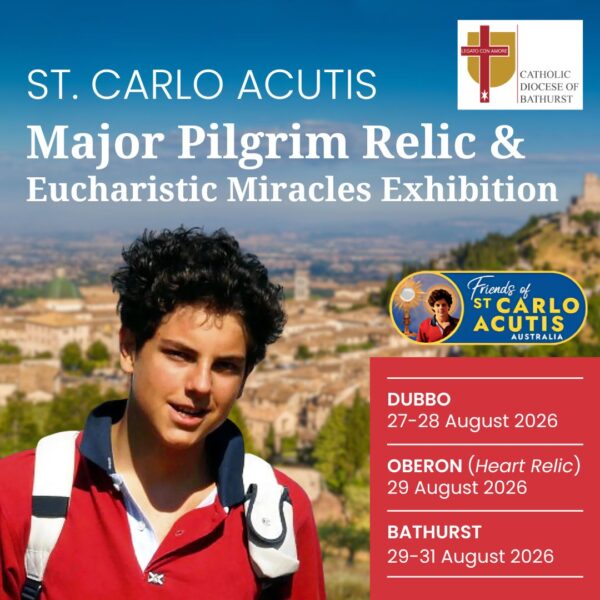
The Archdiocese has also recommended that priests and extraordinary ministers of communion follow established hygiene rules, such as hand washing, to avoid such confusion in the future. This case serves as a reminder that the Catholic faith is based on the Word and the sacraments, not on sensational phenomena. The community of Morris, although initially moved by the event, has respectfully accepted the official explanation, reaffirming its devotion and trust in the teachings of the Church. The relationship with Carlo Acutis, known for his Eucharistic devotion, is not mentioned in the source, so a direct link cannot be established. However, this incident underscores the importance of formation in the faith and the correct understanding of the Eucharist, topics that Blessed Acutis promoted.
Original source: www.wlwt.com (published on August 1, 2026)