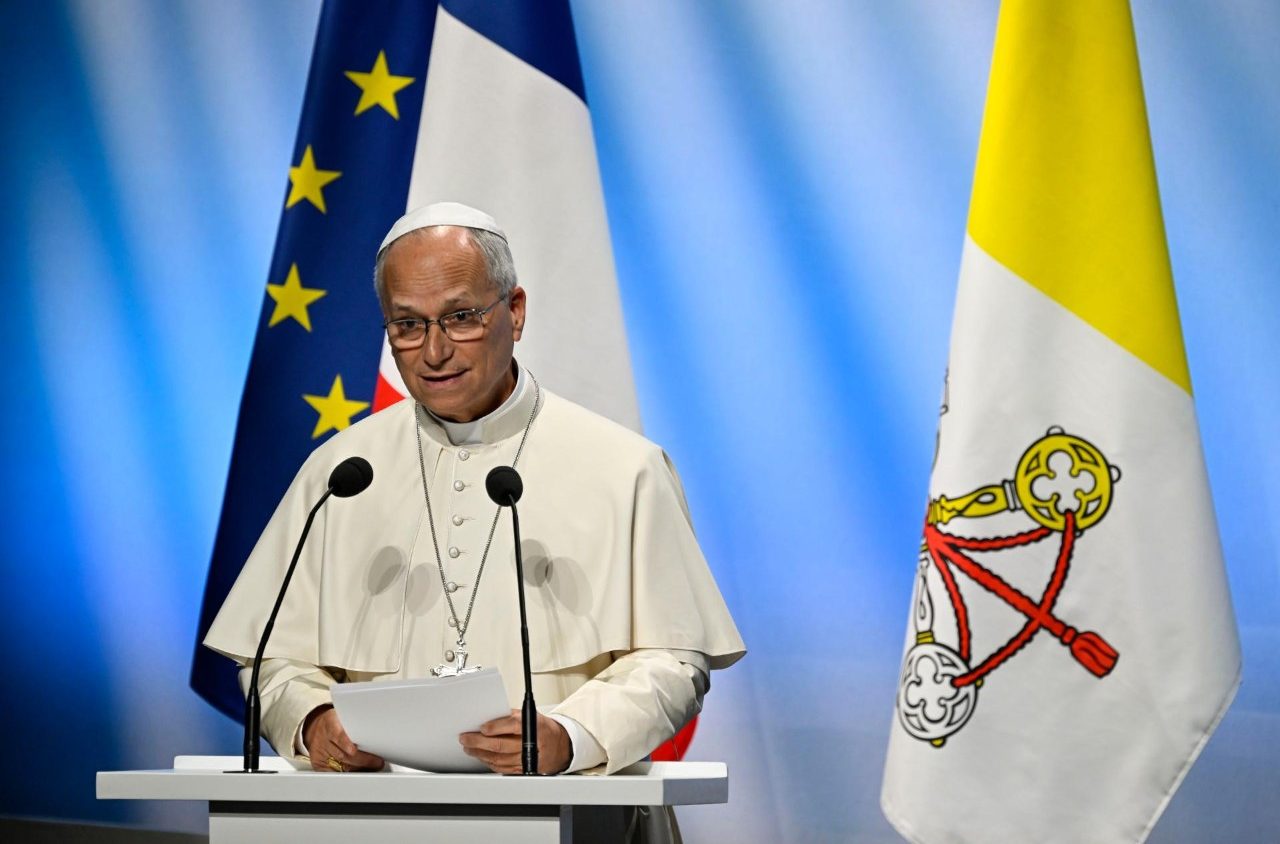
Pope Leo XIV has authorized the Dicastery for the Causes of Saints to promulgate a decree recognizing the martyrdom of 20 Spaniards, as reported by the Holy See on June 18, 2026. This decision paves the way for the beatification of a group of diocesan priests killed in 1936 in the diocese of Ibiza.
The decree, which also includes the recognition of the heroic virtues of five religious figures from Europe and America, was released by the Vatican press office. The most notable measure is the official recognition of the martyrdom of Juan Torres Torres and 19 companions, all diocesan priests who died out of «hatred of the faith» between August and September 1936 in the territory of the diocese of Ibiza, during the religious persecution of the Spanish Civil War.
By certifying martyrdom, the Catholic Church waives the need for a verified miracle for beatification, so this group of 20 future blesseds is on the verge of the official ceremony. The date and place of the ceremony have not yet been announced, but the Vatican’s decision represents a definitive step in the process.
Context and Relevance
The beatification of these martyrs is part of the long process of recognizing the faithful who died during the religious persecution in Spain in the 1930s. The Church distinguishes between martyrdom, which is officially recognized without the need for a miracle, and the declaration of heroic virtues, which does require a miracle for beatification. In this case, martyrdom has been certified by the Dicastery, underscoring the steadfastness in faith of these priests until the moment of their death.
Additionally, the Holy Father approved the heroic virtues of five servants of God, granting them the title of Venerable. From now on, confirmation of a miracle attributed to their intercession will be required for them to be beatified. Among them is Father Julio Maria De Lombaerde, a priest born in Belgium in 1878 and died in Brazil in 1944, founder of three congregations: the Daughters of the Immaculate Heart of Mary, the Missionaries of Our Lady of the Most Blessed Sacrament, and the Sisters of Our Lady of the Most Blessed Sacrament.
Also declared venerable were María Teresa Tallon, founder of the Congregation of the Parish Visitors of Mary Immaculate, who died in Monroe in 1954; María Agnese Tribbioli, founder of the Pious Workers Sisters of Saint Joseph, who worked in Florence until her death in 1965; Clara Andreu y Malferit, a professed nun of the Hieronymite Monastery of San Bartolomé de Inca, born in Palma de Mallorca in 1596 and died in 1628; and Maria Petra Giordano, a Dominican nun born in Naples and died in Bibbiena in 2006.
These recognitions reflect the diversity of vocations and charisms in the Church, from founders of congregations to cloistered nuns, and underscore the impact of their witness in different eras and regions. The decision of Pope Leo XIV, communicated through the corresponding decrees, will have the pastoral consequence of allowing the faithful to publicly venerate these new blesseds and venerables, strengthening the memory of those who gave their lives for the faith or heroically lived the Christian virtues.
Original source: www.omnesmag.com (published on June 18, 2026)
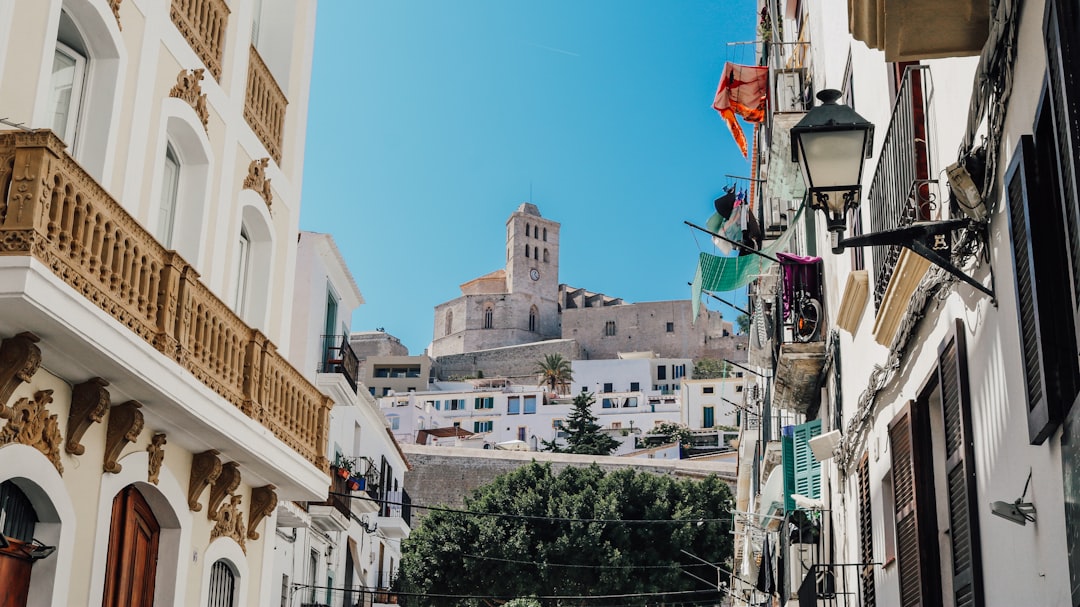
Foto: Oliver Thomas en Unsplash