An Encounter at the Heart of Faith
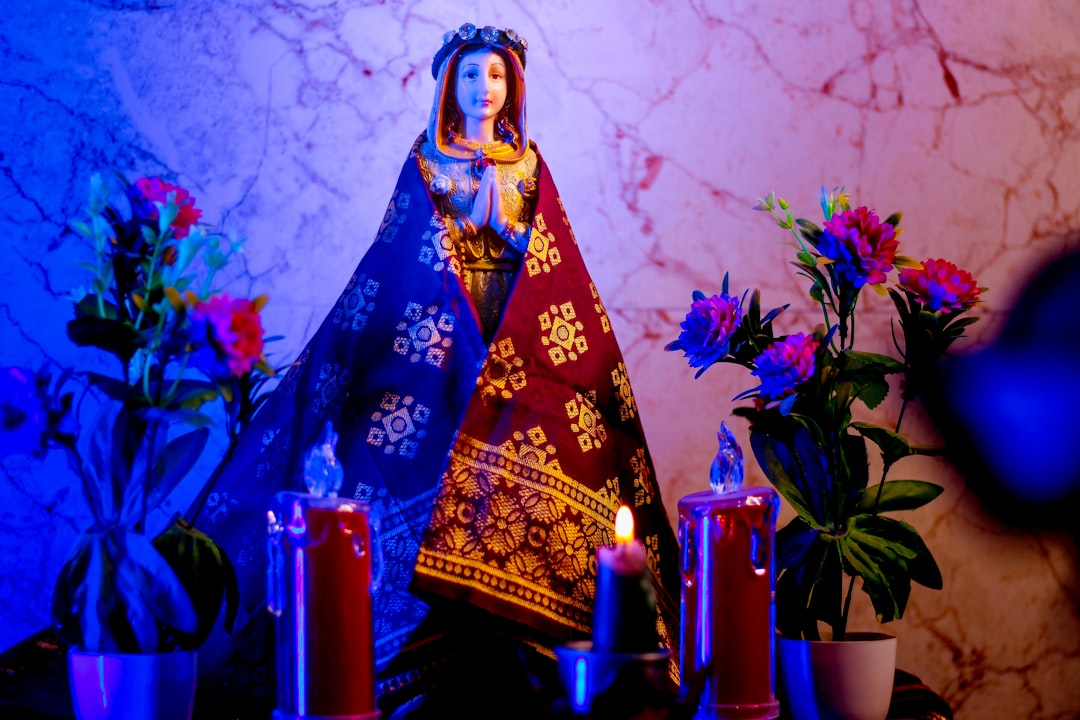
The Resurrection of Jesus Christ is the core of the Christian faith. While the canonical Gospels detail several appearances of the Risen One to his disciples and the holy women, the encounter with his Mother, the Virgin Mary, is not explicitly narrated in the sacred texts. However, a solid theological, liturgical, and artistic tradition, upheld by the Fathers and Doctors of the Church, affirms with conviction that this event was the first and most intimate of Easter morning.
Foundation in Tradition and Exegesis
From the earliest centuries, figures such as St. John Chrysostom in the East and St. Ambrose in the West defended this apparition. Later authors, including St. Albert the Great, St. Bernardine of Siena, and St. Ignatius of Loyola in his Spiritual Exercises, considered it an obvious fact. The central argument, known as the "argument from congruence," asks: if Christ appeared to Mary Magdalene, to the pious women, and to the disciples who had abandoned him, how could he not have first appeared to his Mother, the "Virgo Fidelis," the "Full of Grace," who remained faithful at the foot of the Cross?
Gospel Silence and Theological Depth
The evangelists, with a kerygmatic and apologetic intention focused on the public proclamation of the Resurrection, did not include this encounter. However, this silence does not imply denial. Catholic theology distinguishes between what is narrated and what happened, trusting that the living Tradition of the Church preserves truths that are not written but lived in faith. The absence of Mary and the other women at the tomb at dawn, according to some exegetes, could be an indication that she had already been visited by her glorious Son, living in hope and contemplation of divine glory.
Expression in Sacred Art
The conviction of this encounter was abundantly reflected in religious aesthetics. Since the 15th century, numerous artists have depicted the scene. Notable examples include works by Rodrigo de Osona the Younger (Valencia), Fernando Yánez de Almedina, Titian (1554), and Luis de Vargas (Museum of Fine Arts of Seville). These representations, which show the risen Christ, often with the banner of victory, presenting himself to his Mother in an attitude of consolation and adoration, are an eloquent testimony to how piety and theology found expression in art, filling with beauty what the texts left unsaid.
Spiritual and Ecclesial Meaning
Beyond the historical discussion, the apparition to Mary has a profound spiritual meaning. It represents the crowning of her faith, the "believer par excellence" (Lk 1:45), who sees the promise fulfilled. It is the joy of the Son who shares his definitive victory with the one who accompanied him in his sacrifice. For the Church, Mary, as "Mother of the Church" proclaimed by Paul VI, is a model of the believer who, in the intimacy of faith, experiences the presence of the Risen One. This encounter underscores the "theology of the hidden," where the deepest mysteries between God and the soul often take place in the sanctuary of the heart, outside of visible chronicles.
Original source: ec.aciprensa.com (published April 28, 2021)
Photo: Tim Marshall on Unsplash