A Discovery Beneath Layers of Lime
During the rehabilitation works of Casa Gran, a Renaissance building that is part of the Sanctuary of the Miracle in Riner (Lleida), numerous historical graffiti hidden under layers of lime paint have been discovered. These inscriptions, made mainly between the late 16th and early 17th centuries with sharp tools, cover the walls of the third floor of the former pilgrims’ hostel. According to conservator-restorer Anna Bedmar, who led the inventory along with Anna Viñas and Judit Roquet, the engravings show remarkable variety and offer a direct window into the mentalities of the time.
Symbols of Protection and Devotion
Among the identified motifs, the so-called «rositas de la vida» or hexafolias stand out—protective symbols composed of interlocking circles placed on doors and windows to ward off evil. Crosses of various types (Latin, Greek, St. Peter’s), human figures, hands, faces, pilgrims’ proper names, and references to local farmhouses are also abundant. One particular graffiti mentions the transport of «16 porrones» of «wine from the Sierra» in April, while another includes a tetragram with notes from the Marian chant «Salve Regina.» In a hole in the wall, two paper bundles with names of surrounding farmhouses were found, possibly as offerings or requests.
Historical and Religious Context
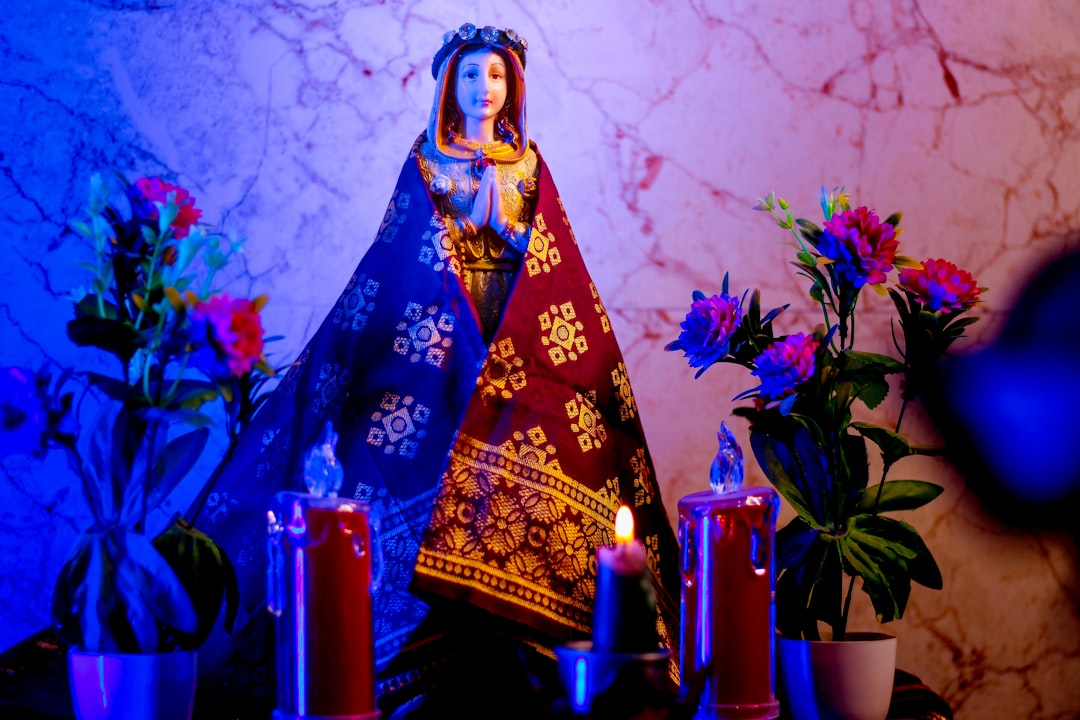
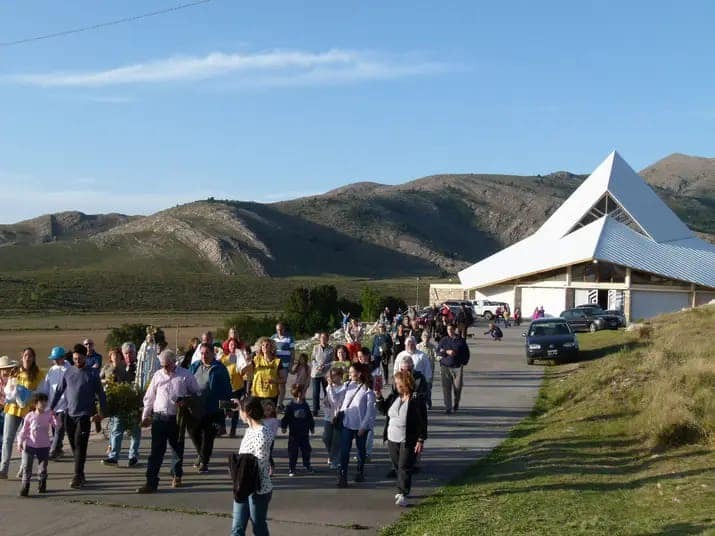
The Sanctuary of the Miracle originates from a documented Marian apparition in 1458, when, according to tradition, the Virgin appeared to two shepherds asking for processions and penance to end a plague. The bishop of Urgell authorized the construction of a chapel, which was expanded in the 16th century. Casa Gran was built in parallel to accommodate pilgrims and the sick. The complex, which includes a church with a Baroque altarpiece, a chapel, and a Benedictine monastery dependent on Montserrat, was declared a National Heritage Site in 2008. After abandonment during the disentailment of 1835 and a complex restoration begun in 1898, the site regained its religious and social function.
Enhancement Project
The mayor of Riner, Joan Solà, emphasizes the importance of these graffiti, as historical archives contain little information about Casa Gran. «It’s as if the walls speak and allow us to know what these pilgrims thought or believed,» he says. The third floor, previously inaccessible, is being prepared to be visitable starting in June, with the aim of showing the original rooms and inscriptions. The rehabilitation works, funded with Next Generation funds, have been a challenge for this municipality of 300 inhabitants, but will allow for the preservation and dissemination of a unique heritage that directly connects with the spirituality and daily life of pilgrims from four centuries ago.
Original source: es.ara.cat (published on February 20, 2026)
Photo: Martijn Vonk on Unsplash