Canonization is the definitive act by which the Catholic Church officially declares a deceased believer to be a saint, authorizing their public and universal veneration. This procedure, far from being a mere formality, is a rigorous legal and pastoral process, meticulously documented and regulated by the Congregation for the Causes of Saints.
The foundations: exemplary life and heroic virtues
The journey begins with the "fame of holiness," a widespread reputation among the faithful that the person lived the Christian virtues to a heroic degree. The investigation assesses their faith, hope, charity, prudence, justice, fortitude, and temperance. Their existence must stand as a concrete model for the Christian community. After a customary waiting period of five years following death, the local diocese can initiate the cause, gathering testimonies and documentation about their life and works.
From the diocesan investigation to the title of Venerable
The diocesan phase concludes with the preparation of a comprehensive dossier, the "Positio," which is presented in Rome. If the theological experts and cardinals of the Dicastery recognize the heroic practice of the virtues, the Pope issues a corresponding decree. At this point, the servant of God receives the title of Venerable, recognizing the exemplary value of his or her life, but without yet allowing public worship.
Beatification: the first formal recognition
To proceed to beatification, a miracle obtained through the intercession of the Venerable is normally required, occurring after his death and verified in an irrefutable manner. This miracle is subjected to scientific scrutiny by doctors and theological evaluation to confirm that it is a divine sign. Once approved, the Pope beatifies them, granting them the title of Blessed. Their veneration is then generally permitted at the local level or within their religious family. Martyrs—those who died for their faith—can be beatified without the need for a miracle.
Canonization: universal proclamation
The final step toward sainthood generally requires a second miracle attributed to the intercession of the Blessed and occurring after their beatification. After the same rigorous verification, and once confirmed, the Pope proceeds to canonization by means of a solemn decree. This act declares that the faithful are certainly in the Glory of God and inscribes them in the catalog of Saints, establishing them as an example for the whole Church and allowing their universal public worship.
This process, which can take decades or even centuries, underscores the seriousness with which the Church recognizes holiness. Figures such as Saint Rose of Lima and Saint Martin de Porres in Latin America are testimony to this path. Recently, the Church is preparing to celebrate the canonization of new examples of Christian life, confirming that holiness, rather than an abstract ideal, is a vocation accessible through concrete dedication and service to others.
Original source: www.diariolasamericas.com (published October 14, 2025)
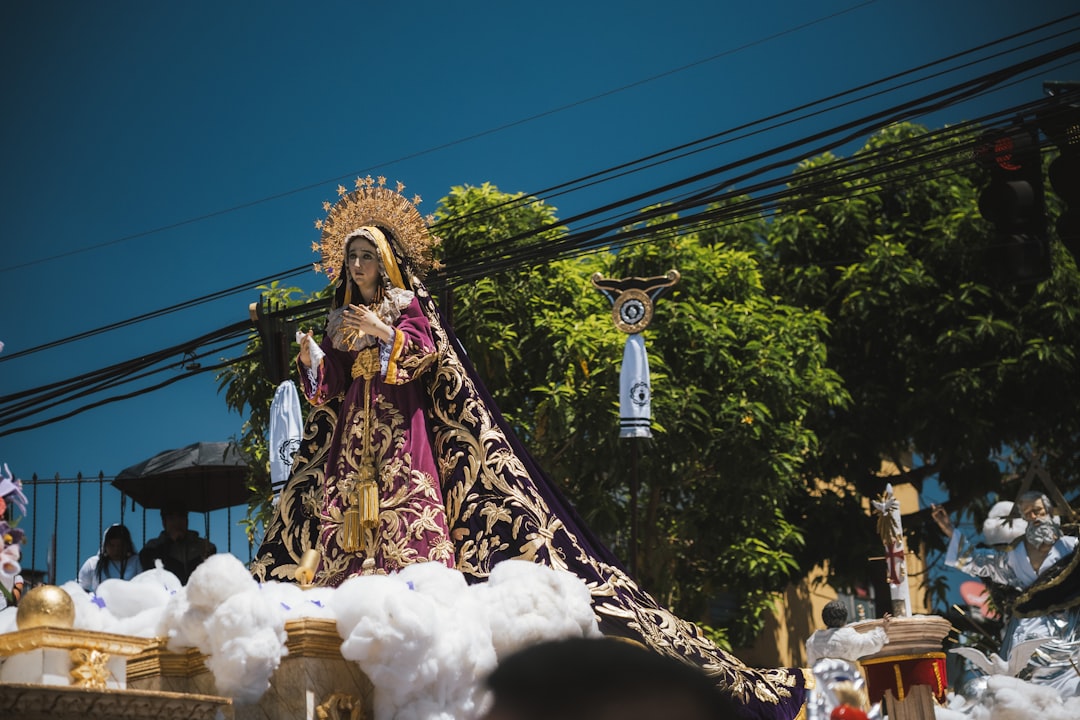
Photo: Mateus Campos Felipe on Unsplash