The devotion to the Virgin of Guadalupe, whose tradition dates back to the Marian apparitions reported by the indigenous saint Juan Diego at Tepeyac in 1531, constitutes one of the pillars of Mexico’s religious and cultural identity. Recognized as ‘Patroness of Mexico and Empress of the Americas,’ her image, imprinted on the visionary’s tilma, is an object of veneration for millions of Catholic faithful and the center of massive pilgrimages, especially every December 12th.
A Symbol That Transcends the Religious
Beyond its profound theological meaning and its unifying role in the history of Mexico’s evangelization, the image of the ‘Morenita’ has evolved into a powerful cultural symbol. Its representation, characterized by the starry mantle, the moon at her feet, and the solar rays, has been adopted and reinterpreted in multiple spheres of society. This phenomenon demonstrates how an icon of faith can permeate the collective consciousness and become a national identity reference.
Inspiration for Art and Popular Culture
In recent decades, the figure of the Virgin of Guadalupe has served as a muse for a vast artistic movement. Painters, muralists, sculptors, and graphic artists, both within and outside Mexico, have incorporated her effigy into works ranging from traditional sacred art to street art, pop art, and contemporary installations. These reinterpretations often seek to dialogue with current social themes, fusing devotion with commentary on migration, social justice, mestizo identity, and feminism, always within respect for its sacred character for believers.
Manifestations of a Living Devotion
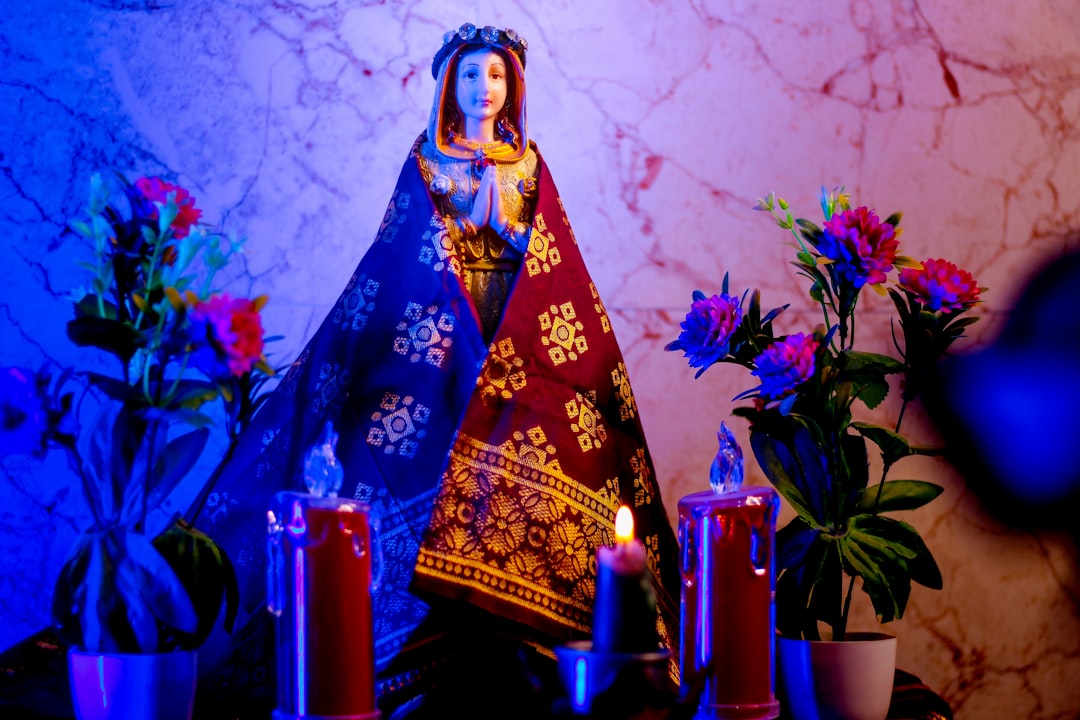
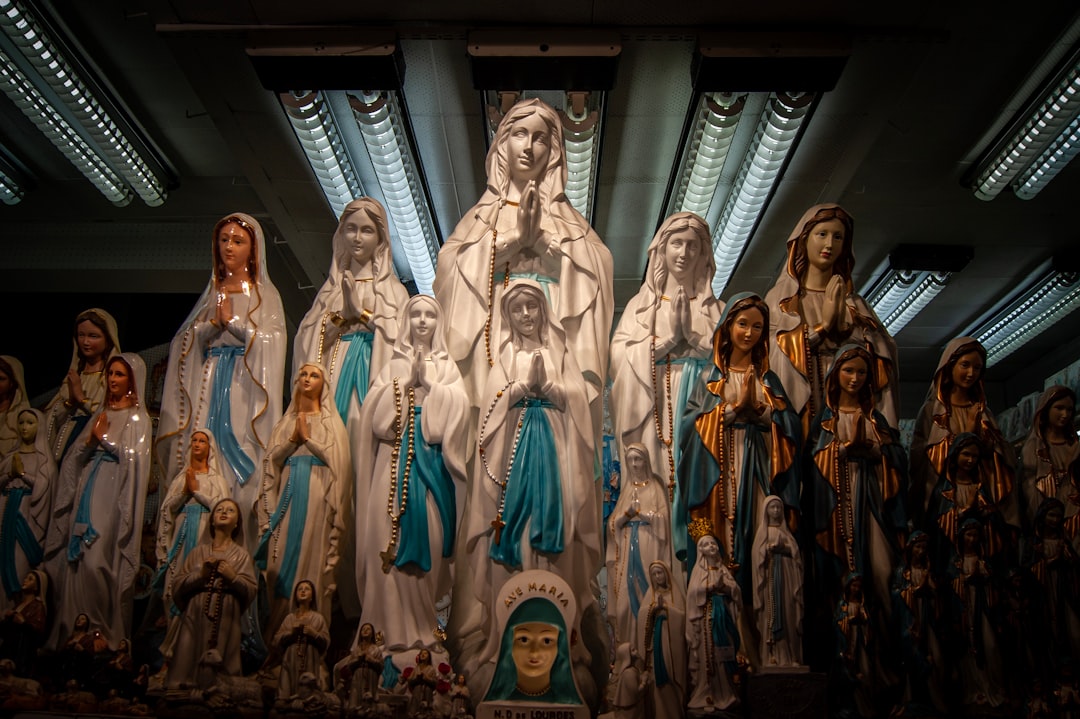
The so-called ‘Guadalupan cult’ manifests not only in formal art but also in deeply rooted popular expressions. Her image is present in homes, businesses, vehicles, and public spaces, serving as a protective amulet and a reminder of faith. The Basilica of Guadalupe in Mexico City is the most visited Marian shrine in the world, receiving tens of millions of pilgrims annually. This fervor makes the Virgin of Guadalupe a paradigmatic case of how a religious tradition can maintain extraordinary vitality, adapting and renewing its relevance through the centuries without losing its fundamental spiritual essence.
Original source: www.thetimes.com (published June 9, 2025)
Photo: Rahul Pandit on Unsplash