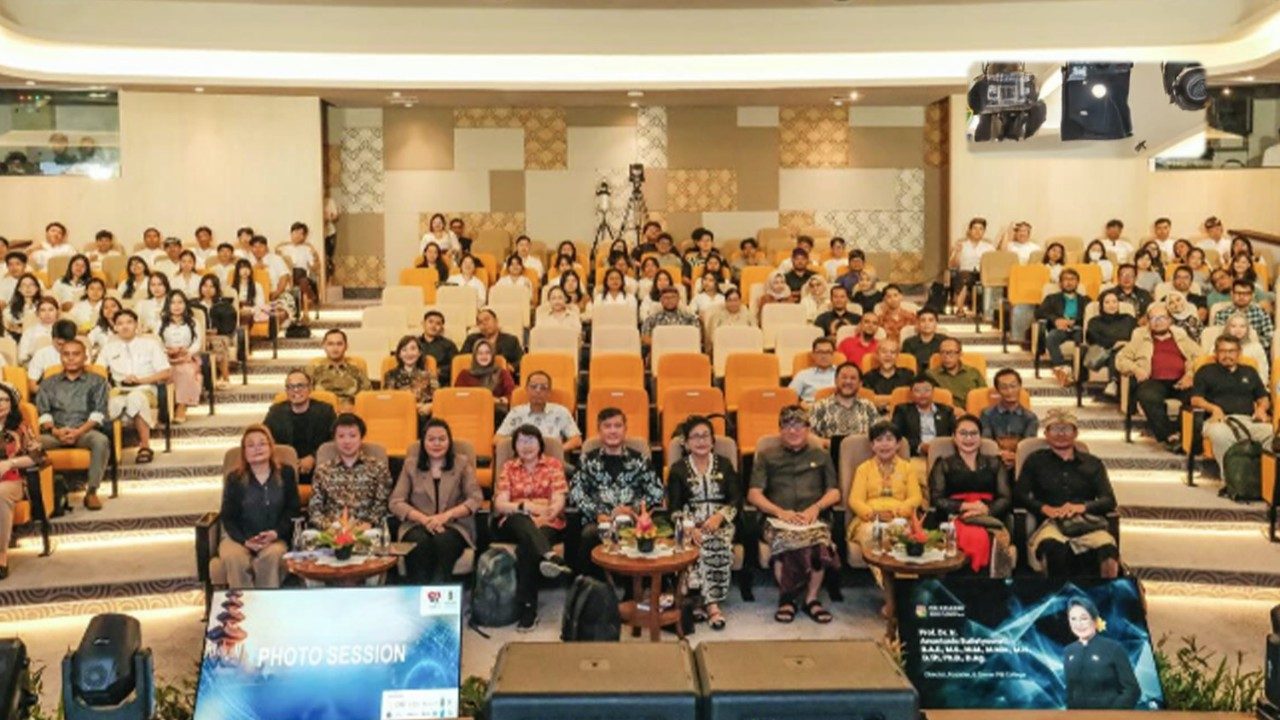
From September 4 to 6, the XI International Congress of “Scholas Chairs” is being held in Bali, Indonesia, within the framework of the World Summit of Encounter, dedicated to the theme “Artificial Intelligence and Human Meaning.” At the opening of the proceedings, Monsignor Indunil Janakaratne Kodithuwakku Kankanamalage, secretary of the Dicastery for Interreligious Dialogue, warned that artificial intelligence is not just another technological development but a transformation of an era, a cognitive and social revolution that is already changing the way we work, communicate, learn, make decisions, and understand ourselves.
The meeting brings together young people, universities, governments, businesses, religious leaders, and social organizations from around the world to reflect on how to ensure that artificial intelligence serves human dignity, fraternity, and peace. Under the motto “Artificial Intelligence and Human Meaning,” the sessions include conferences, workshops, and working groups, with the aim of launching concrete projects with global impact.
This edition also commemorates the second anniversary of Pope Francis’s apostolic journey to Indonesia in September 2024 and the signing, together with Grand Imam Nasaruddin Umar, of the Istiqlal Declaration, reaffirming the commitment to interreligious dialogue, care for our Common Home, and peacebuilding.
In his address, Monsignor Indunil Janakaratne Kodithuwakku Kankanamalage referred to two terms that Pope Francis had highlighted during the interreligious meeting held at the Istiqlal Mosque in Jakarta on September 5, 2024: “encounter” and “light.” “These two words can also offer us a meaningful framework for reflecting on Artificial Intelligence and human meaning,” the prelate explained.
Context and Relevance
The secretary of the Dicastery for Interreligious Dialogue delved into the topic in light of Pope Leo XIV’s encyclical “Magnifica humanitas.” “The Pope reminds us that technology has the power to heal, connect, educate, and protect our Common Home, but it can also divide, exclude, and generate new forms of injustice,” he emphasized. He also noted that technology “is not automatically the solution to humanity’s problems, nor is it intrinsically evil. What matters is the human vision that guides it and the ends it pursues.” Pope Leo’s concern is fundamentally anthropological: what impact will new technologies have on human dignity and the common good?
The Congress will conclude with the presentation of the “Bali Declaration,” a shared commitment to continue promoting ethical, human-centered Artificial Intelligence oriented toward the common good. This event is part of the Church’s efforts to accompany contemporary challenges, integrating theological reflection with interreligious dialogue and international cooperation.
Original source: www.vaticannews.va (published on September 4, 2026)