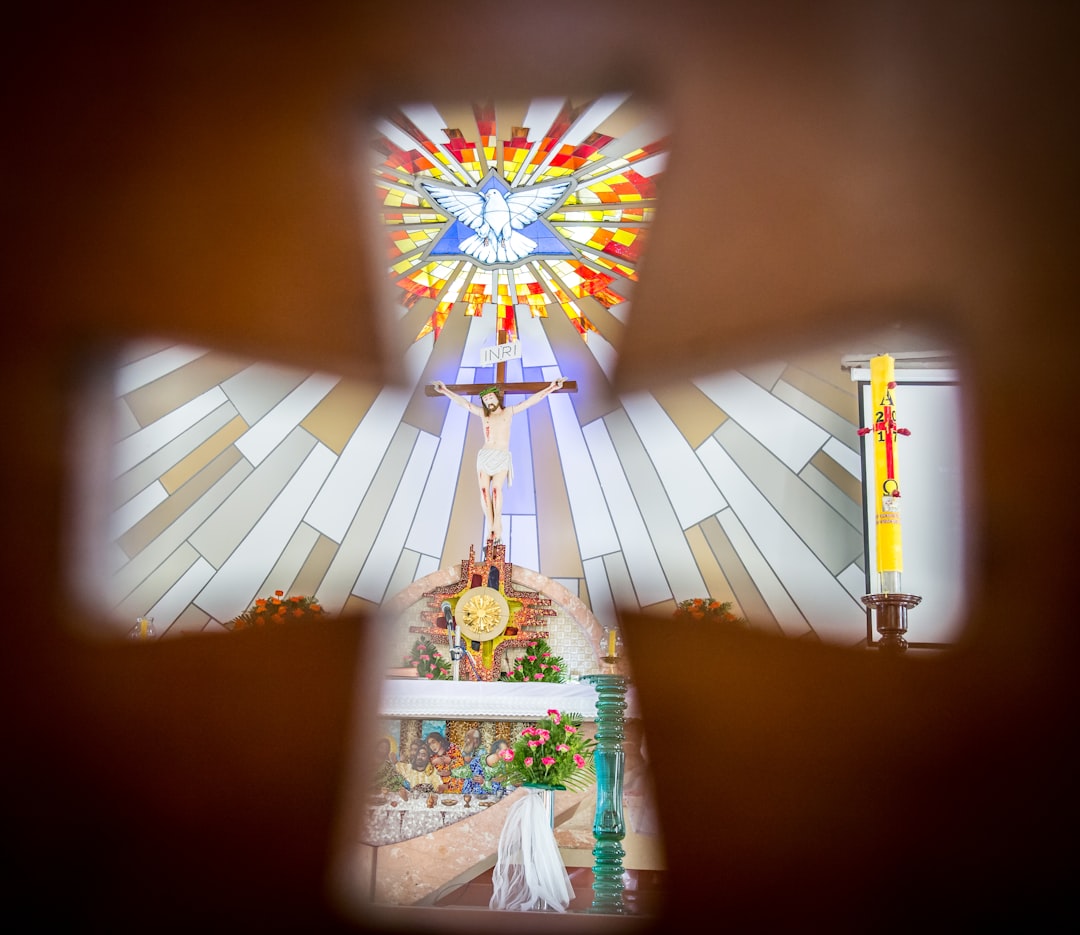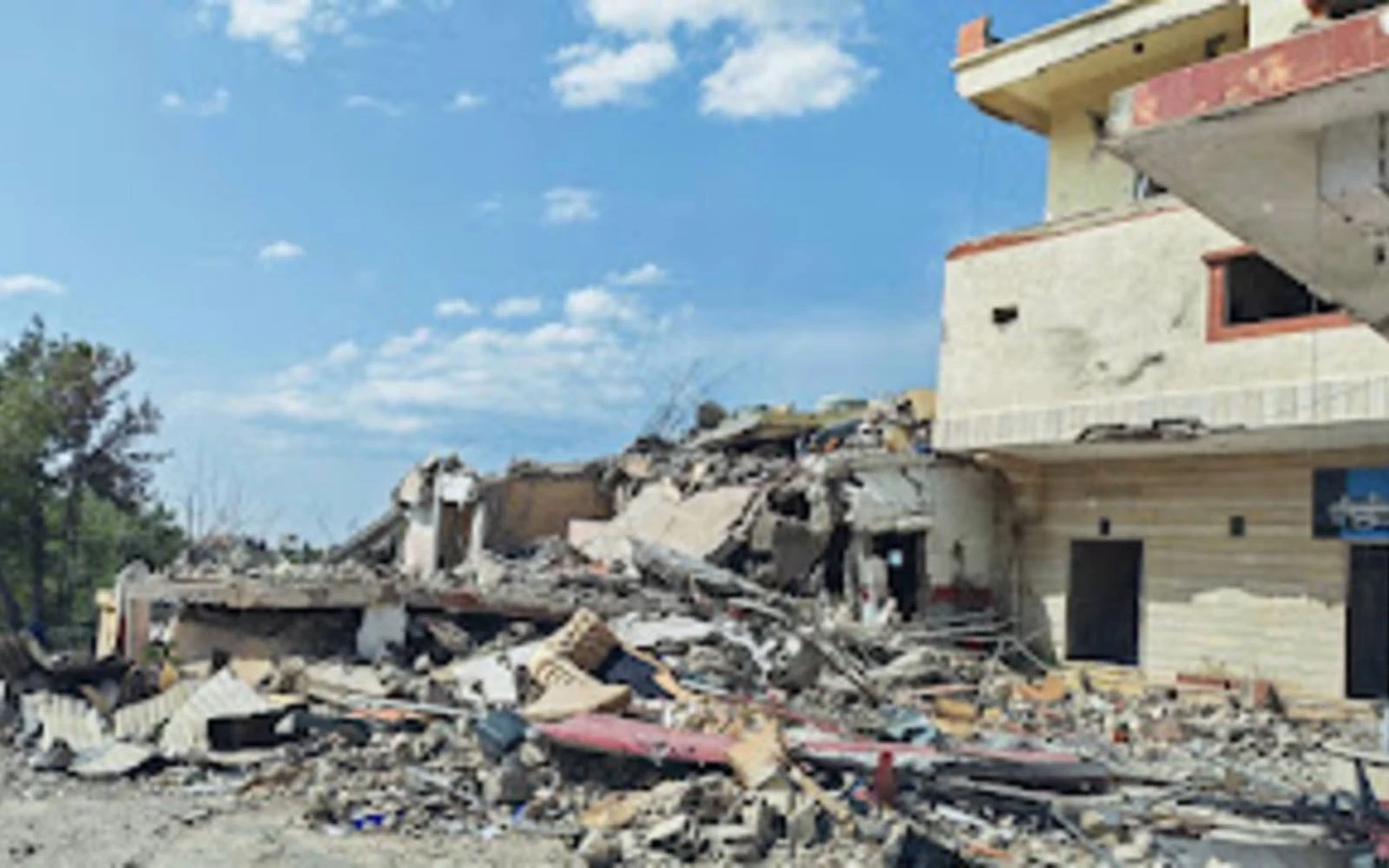
Fr. Marios Khairallah, a Melkite Greek Catholic priest, returned to his parish in the town of Tibnin in southern Lebanon after a ceasefire came into effect on April 17. Upon entering the church, surrounded by broken glass and debris, he found the Eucharistic bread exactly where he had left it weeks earlier, with no signs of deterioration despite having remained for 47 days without human presence.
A discovery that renews faith
In statements to ACI MENA, the Arabic-language news agency of EWTN News, the priest described the finding as a confirmation of God’s enduring presence amid suffering. “After 47 days, there is no scientific explanation for why the bread did not spoil. But for us this is not strange, because we believe this is the body of Christ. This is our faith; it is not something new or unknown. We believe in the presence of God in the Eucharist,” he said.
In the Western Catholic tradition, consecrated hosts are thin and made with unleavened bread. In contrast, in the Melkite Greek Catholic Church, of Byzantine tradition, the Eucharistic bread is made with leaven, making its preservation for over six weeks even more remarkable.
A message of hope for the community
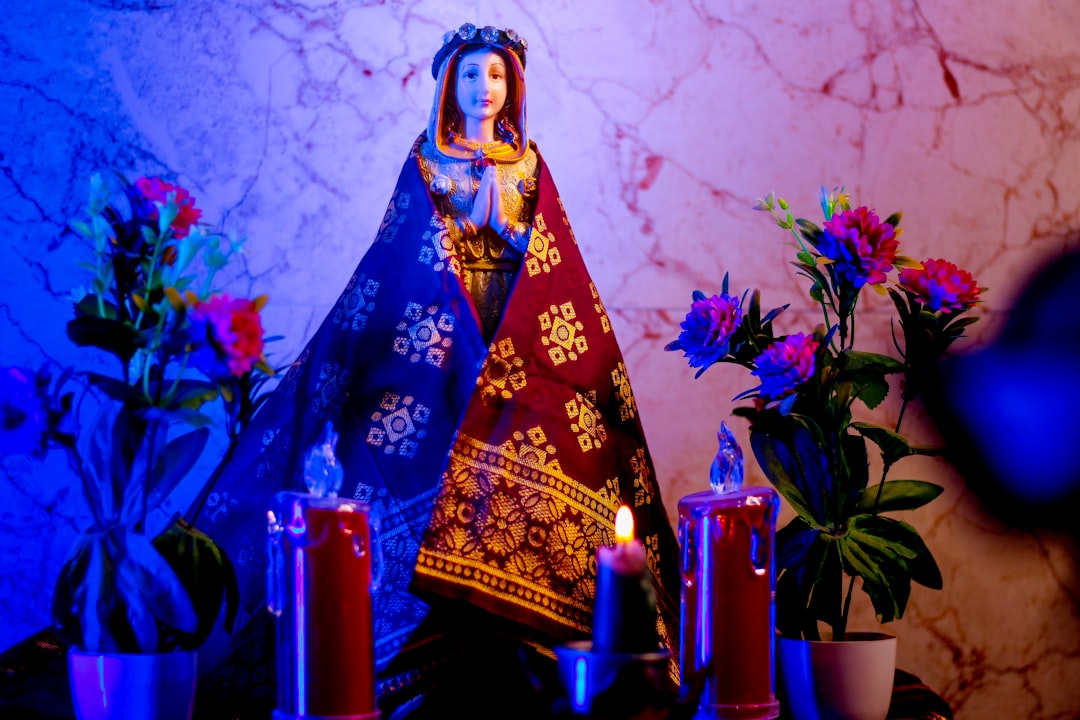
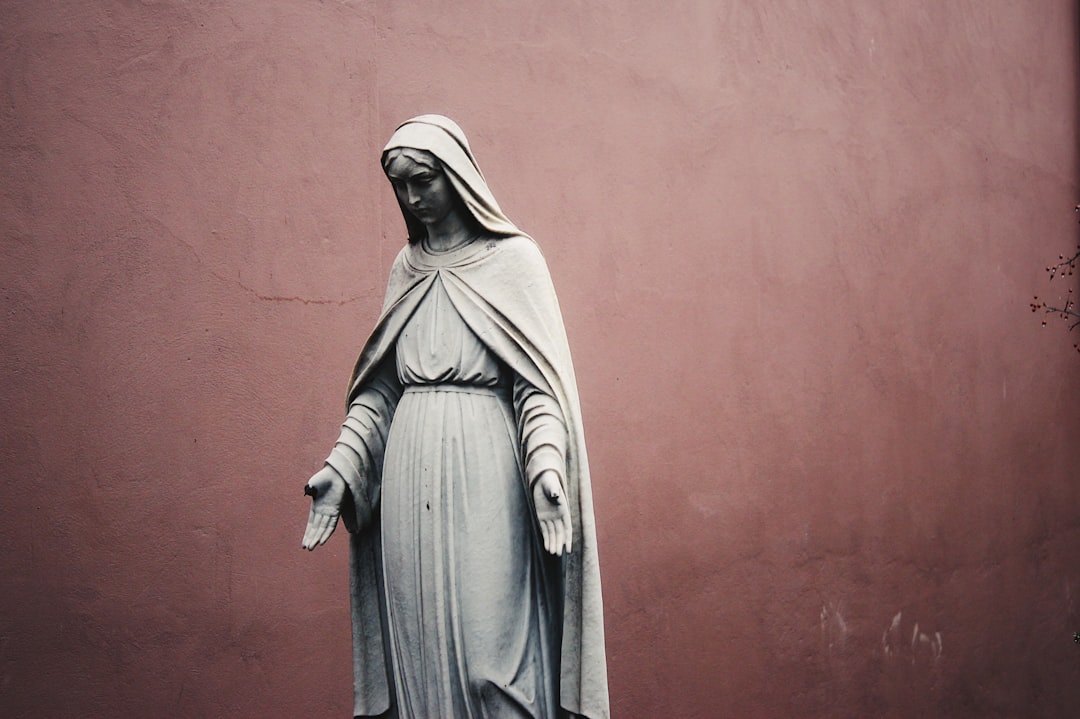
Fr. Khairallah emphasized that this event is a “message of hope for the parish.” “It is true that there is destruction in Tibnin, but there is also an encounter with Jesus. Jesus waited for us for 47 days, without human presence,” he added. He also noted that a statue of the Virgin Mary remained standing amid the devastation, describing it as “the mother who waits for her children.”
The Melkite Catholic community of Tibnin consists of about 55 families who were forced to flee due to the conflict. After the ceasefire, some have returned temporarily to collect clothes and belongings, but most are staying with relatives, in rented apartments, schools, monasteries, or with friends. The priest indicated that aid remains almost nonexistent, except for assistance received through a papal mission and some contributions of medicine.
Difficult conditions and solidarity
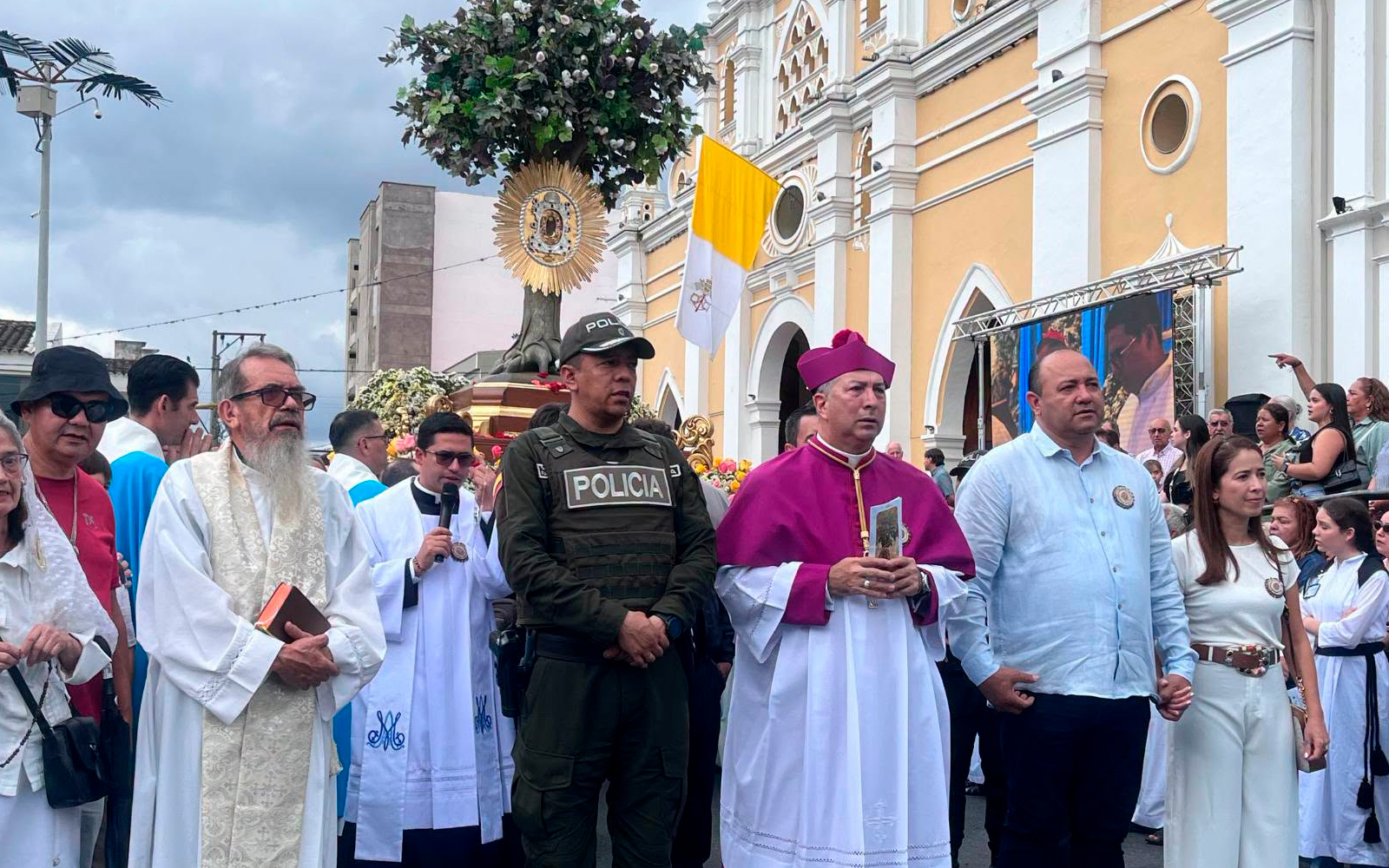
Fr. Khairallah praised the work of the Apostolic Nuncio to Lebanon, Archbishop Paolo Borgia, whom he described as “a true shepherd and father who cares for everyone,” and highlighted that “he does what no one else does: visit us even under bombings.” Regarding the situation in Tibnin, he noted that the town lacks water, electricity, and internet, and suffers from intense cold that worsens living conditions. Most inhabitants are people of limited means: retirees, teachers, soldiers, and farmers, without an affluent class to absorb the impact of the crisis.
The discovery of the intact Eucharistic bread has been considered by many faithful as a sign of Christ’s constant presence, even amid war and destruction.
Original source: www.aciprensa.com (published on April 25, 2026)