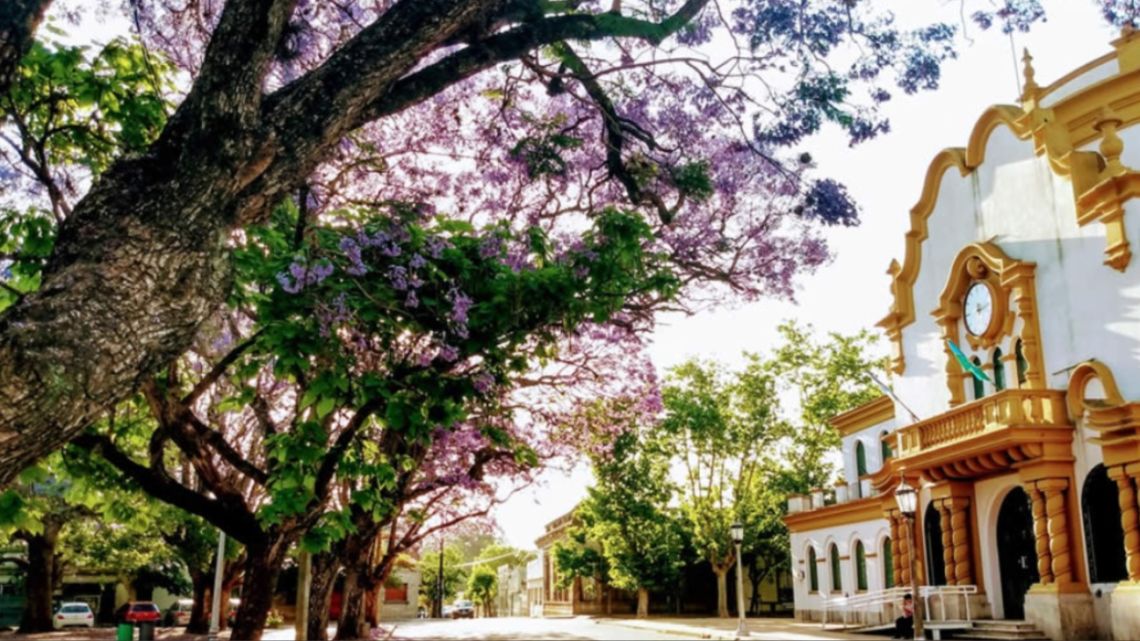
In the Buenos Aires city of General Pinto, a century-old popular devotion remains alive in the hearts of its inhabitants. It is about Francisca López, known as “The Miraculous One,” a young woman who died in 1914 at the age of 17 and whose tomb, located in the local cemetery, is visited by numerous faithful who pray to her, ask for help, or thank her for favors received. This manifestation of popular religiosity, although local in scope, is part of the rich cultural heritage of the province of Buenos Aires.
Historical data about Francisca López are scarce and fragmentary. It is believed that she was born on May 23, 1897, and died on July 18, 1914, although the place of birth or residence is not known with certainty, with some versions placing it in General Pinto and others in the nearby town of Germania. She is remembered as a thin and fragile young woman with health problems, very loved at her school, and some testimonies indicate that she used a wheelchair. Her death would have been caused by an attack of catalepsy or tuberculosis.
The story that gave rise to the devotion is tragic and moving. According to accounts collected by students of the Technical Secondary School No. 1 of General Pinto, two nights after her burial, a strong storm hit the city. The cemetery caretaker heard noises coming from the grave, which led her parents to request the exhumation of the body. Upon opening the coffin, they found the body face down, with the face and arms full of scratches, as well as the lid of the coffin. The explanation was that Francisca had suffered an attack of catalepsy and was presumed dead, but in reality she was alive; desperation and lack of air would have caused her definitive death. Since then, some claim to hear noises from her tomb.
The tomb of The Miraculous One features a truncated column, which according to local researcher Ernesto Daniel Leonardi, “represents a life interrupted before reaching its fullness, an unfinished existence.” A delicate carved garland softens the harshness of that interruption, suggesting an idea of continuity. This symbolism, along with the story of suffering and truncated youth, has turned Francisca into a mobilizing figure for the community, which considers her a spiritual intercessor.
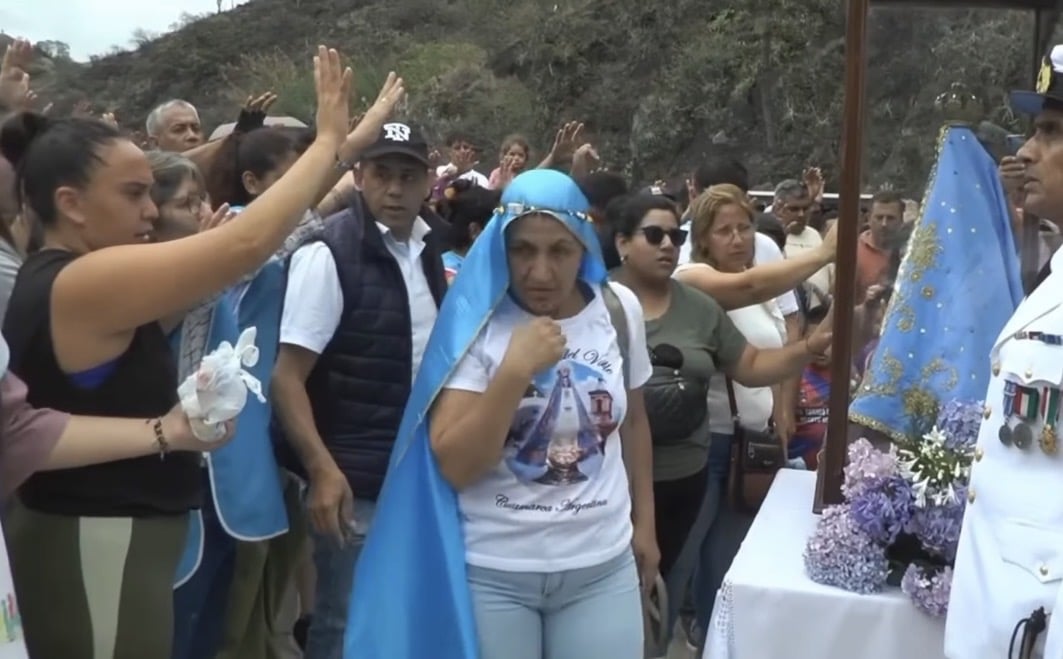
It is important to distinguish between popular devotion, the testimony of the faithful, and the official recognition of the Church. The devotion to The Miraculous One is a spontaneous practice of the faithful, which does not have a canonization process or formal recognition by the Catholic Church. However, this has not prevented the tomb from being a place of prayer and gratitude, where plaques, flowers, religious images, rosaries, medals, prayer cards, caps, toys, keychains, and bottles of water are deposited as a sign of gratitude and faith.
Context and relevance
The devotion to The Miraculous One is part of the broader phenomenon of popular canonizations in Argentina, where people who die tragically or at an early age are spontaneously elevated by the community to a category of unofficial sainthood. Although there is no direct relationship with Carlo Acutis or Eucharistic spirituality, this devotion reflects the search for comfort and hope in close figures who have suffered. The persistence of this practice, at least since 1974 according to dedicated plaques, demonstrates the strength of popular religiosity and its ability to endure over time, becoming an identity element of the Pinto community.
Original source: www.perfil.com (published on August 7, 2026)