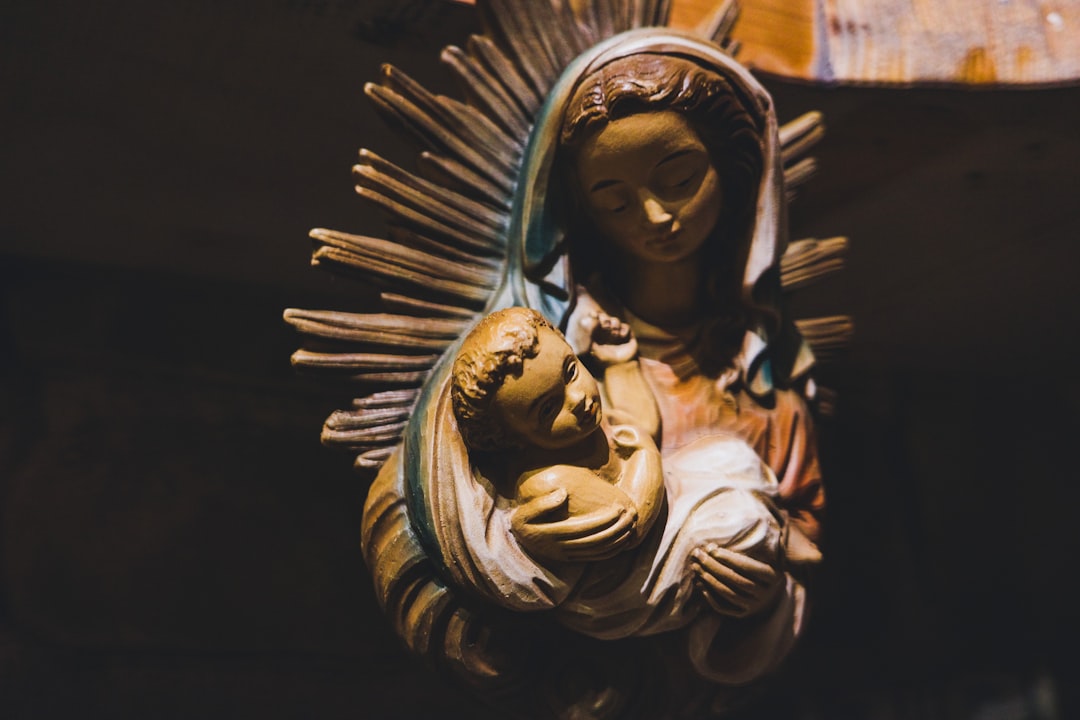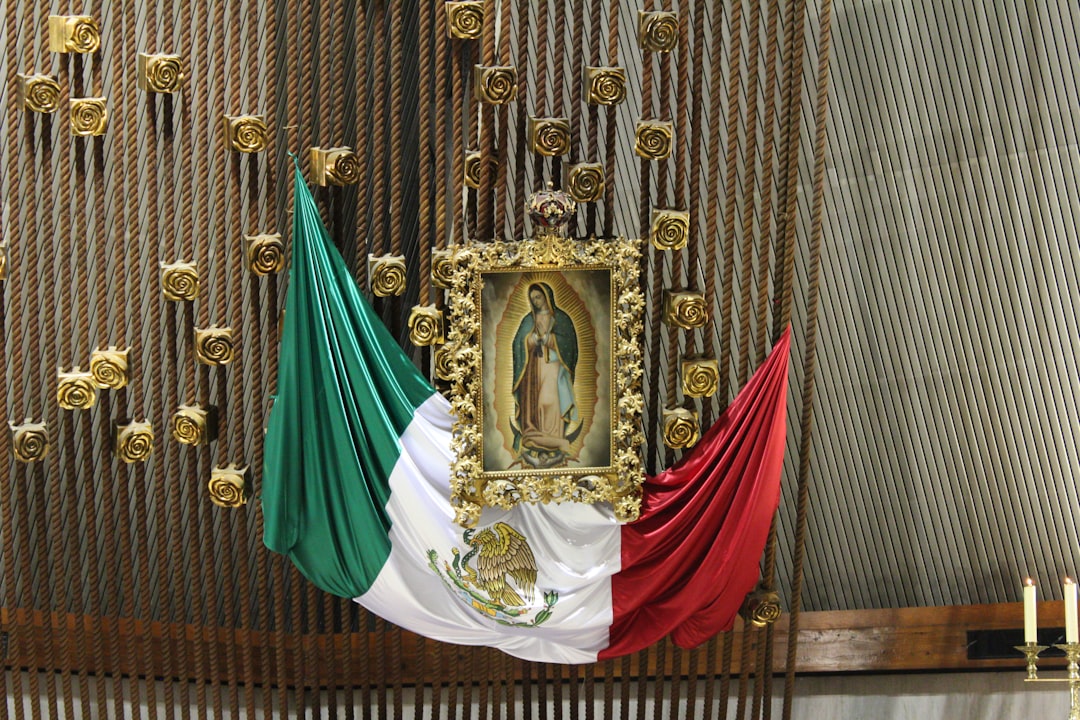
Mexico is full of stories of miracles attributed to the Virgin of Guadalupe, whose image is venerated by millions of faithful. Catholic tradition narrates that in December 1531, the Virgin Mary appeared to the indigenous Juan Diego at Tepeyac Hill, in what is now Mexico City. During these apparitions, the Virgin asked him to build a temple on that site to show her love and mercy.
The miracle of the tilma
The best-known fact of this story is the miracle of Juan Diego’s tilma. According to the account, Bishop Fray Juan de Zumárraga asked for a sign to believe in the apparitions. The Virgin told Juan Diego to gather Castilian roses in his ayate, even though it was winter and not the season for flowers. When he presented them before the bishop, the roses fell to the ground and on the tilma remained imprinted the image of the Virgin of Guadalupe, dark-skinned and with mestizo features.
Religious and cultural significance
For the Catholic Church, this event represents a key moment in the evangelization of the Americas. The Virgin of Guadalupe is considered patroness of Mexico and Empress of the Americas. Her sanctuary at the Basilica of Guadalupe is one of the most important pilgrimage centers in the world, where millions of devotees come each year to pay homage. The image has been the subject of scientific studies that cannot explain its preservation or the details of its composition.
Devotion that transcends borders
Faith in the Virgin of Guadalupe is not limited to Mexico. In the United States, Central America, and other countries, Catholic communities celebrate her feast day on December 12 with masses, processions, and songs. The figure of the dark-skinned Virgin has become a symbol of identity and hope for many believers. The story of her miracle continues to be passed down from generation to generation, reinforcing spirituality and unity among the faithful.
Original source: www.multimediostv.com (published December 11, 2025)
Photo: Edgar Henríquez, LC on Unsplash