A milestone for the Venezuelan Church
On Sunday, October 19, Pope Leo XIV officiated the canonization ceremony of Venezuela's first two saints: lay physician José Gregorio Hernández and nun Carmen Elena Rendiles. This historic event marks a significant moment for the Venezuelan Catholic community, which has venerated these figures for decades, and culminates rigorous canonical processes that examined both their lives of virtue and the miracles attributed to their intercession.
The path to sainthood of José Gregorio Hernández
Dr. José Gregorio Hernández, known as "the doctor of the poor," was beatified on April 30, 2021. This crucial step came after Pope Francis recognized the miracle granted to Yaxury Solórzano Ortega, a 10-year-old girl who was shot in the head during an assault in the state of Guárico in March 2017. The doctors who treated her considered her terminally ill, but her mother began fervently praying for the intercession of José Gregorio. According to the family's testimony, endorsed by the Holy See, the girl's complete and inexplicable recovery was the miracle that led to his beatification. For the canonization, the Vatican accepted the doctor's "reputation for holiness," an alternative path that recognizes his widespread and constant veneration, according to Cardinal Baltazar Porras. The Archdiocese of Miami presented a possible second miracle that occurred in South Florida, but it has not yet been officially certified.
The miracles of Carmen Elena Rendiles
Carmen Elena Rendiles, founder of the Servants of Jesus of Venezuela, was beatified on June 16, 2018. The first recognized miracle was the healing of the paralyzed arm of Tinette Durán de Branger, who touched the tomb of the nun. For her canonization, a second miracle was considered: the complete healing of a young woman diagnosed in 2015 with idiopathic triventricular hydrocephalus, a condition that required multiple operations and the placement of a shunt valve. After a serious deterioration in her health, an aunt of the young woman participated in a Eucharistic celebration at the tomb of Mother Carmen and prayed for her recovery. Subsequently, the sick woman herself attended a Mass at her grave at the Belén School in Caracas. After touching an image of the nun, the young woman experienced a rapid and complete improvement, beginning to walk and communicate again. The recovery, judged scientifically inexplicable and lasting by the Dicastery for the Causes of Saints, sealed her path to sainthood.
The canonical process: a rigorous examination of faith and facts
Canonization in the Catholic Church is a meticulous and lengthy process. According to the United States Conference of Catholic Bishops, the candidate must have lived a life of "heroic virtue" or have been martyred for the faith. The process begins with a thorough examination of the candidate's life, which can only begin five years after their death to allow for objective evaluation. Diocesan investigation, followed by scrutiny by theologians and the Congregation for the Causes of Saints, can lead to the Pope declaring the person "Venerable." Beatification normally requires a verified miracle (except for martyrs), and canonization requires a second miracle attributed to the blessed, investigated with the same scientific and theological rigor before final approval by the Pontiff.
Original source: www.telemundo51.com (published October 21, 2025)
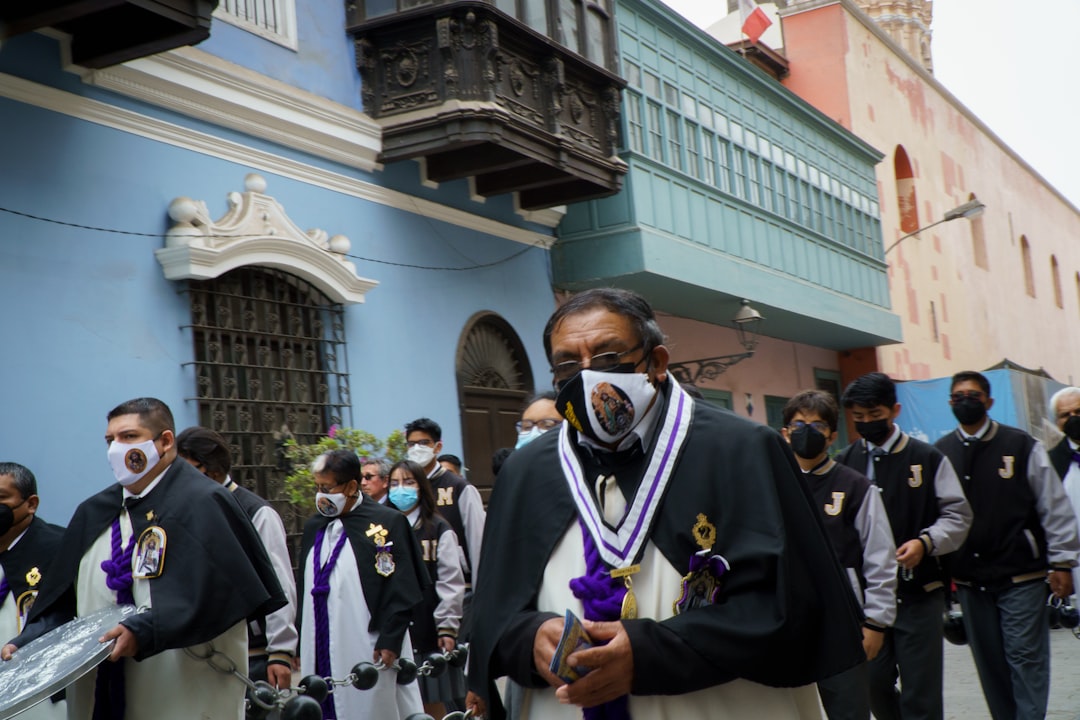
Photo: claire strafford on Unsplash