A miracle in the time of Philip III
At the end of the 16th century, a repentant Moor returned some twenty consecrated hosts that he had stolen to a Jesuit priest. Fearing that they might be poisoned, as had happened in other cities, and unable to determine which ones were consecrated, the priest placed them in a silver box inside a damp crypt so that they would decay. Over time, the unconsecrated hosts decomposed, but those returned by the Moor remained intact. This event was officially declared a Eucharistic miracle in 1619.
Devotion, theft, and mystery
The miracle gave rise to the feast of the Holy Forms in the diocese of Alcalá de Henares. The hosts were kept in a chapel attached to the parish church of Santa María. However, during the Spanish Civil War, the monstrance containing them was stolen during the sacking of the cathedral. There is a belief, supported by local tradition, that the canons may have previously removed the hosts from their individual virils to hide them, so their final destination remains unknown. Despite their physical disappearance, the Complutense Church continues to give thanks for the miracle.
Perpetual adoration and annual celebration
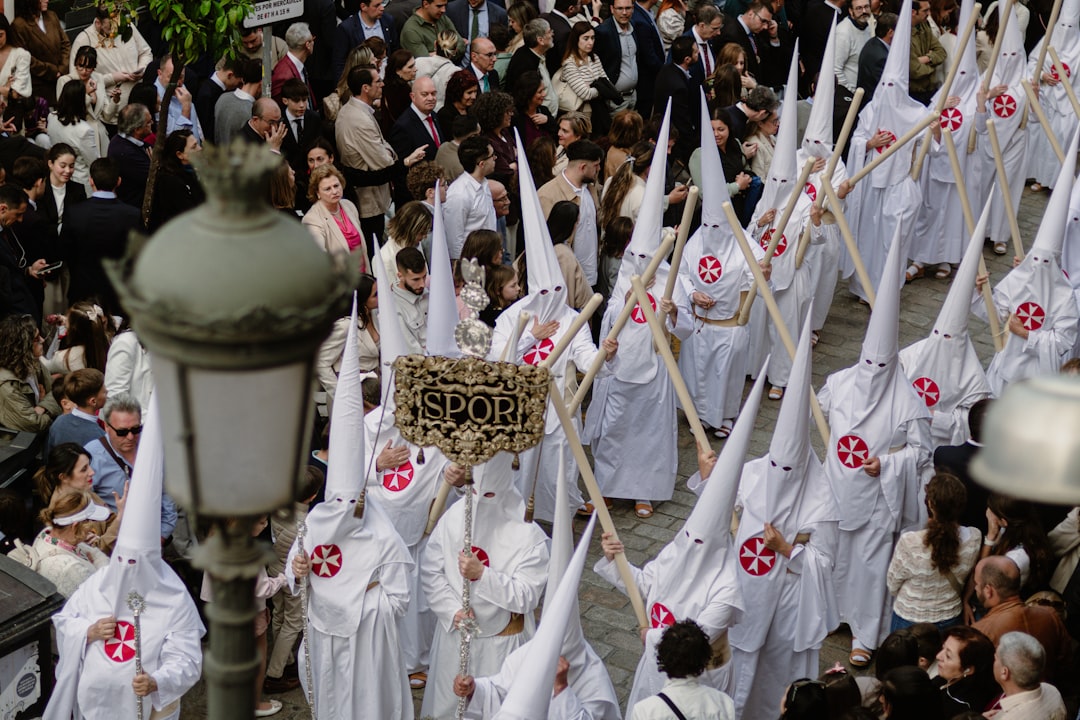
Since 2012, on the initiative of the then bishop Juan Antonio Reig Pla, perpetual Eucharistic adoration has been established in the chapel, with daily shifts. In addition, every sixth Sunday of Easter, the diocese celebrates a solemn feast in memory of the miracle. The celebration includes a Eucharist presided over by the bishop and a procession with the Blessed Sacrament through the streets surrounding the temple, in which hundreds of faithful participate. The preparations, coordinated by the chaplain and those responsible for perpetual adoration, begin up to a month and a half in advance and involve numerous neighbors and brotherhoods.
A living tradition
The procession, described as a "small Corpus Christi," is a central event in the religious life of Alcalá. Although the original Holy Forms are not carried in it, the faithful profess their faith in the real presence of Christ in the Eucharist. The meticulous organization of the event—ranging from applying for permits and defining the route to preparing the choir, flowers, and processional elements—demonstrates the vitality of this centuries-old devotion, which endures beyond the material loss of the miraculous hosts.
Original source: www.eldebate.com (published May 5, 2024)
Photo: Shoeib Abolhassani on Unsplash