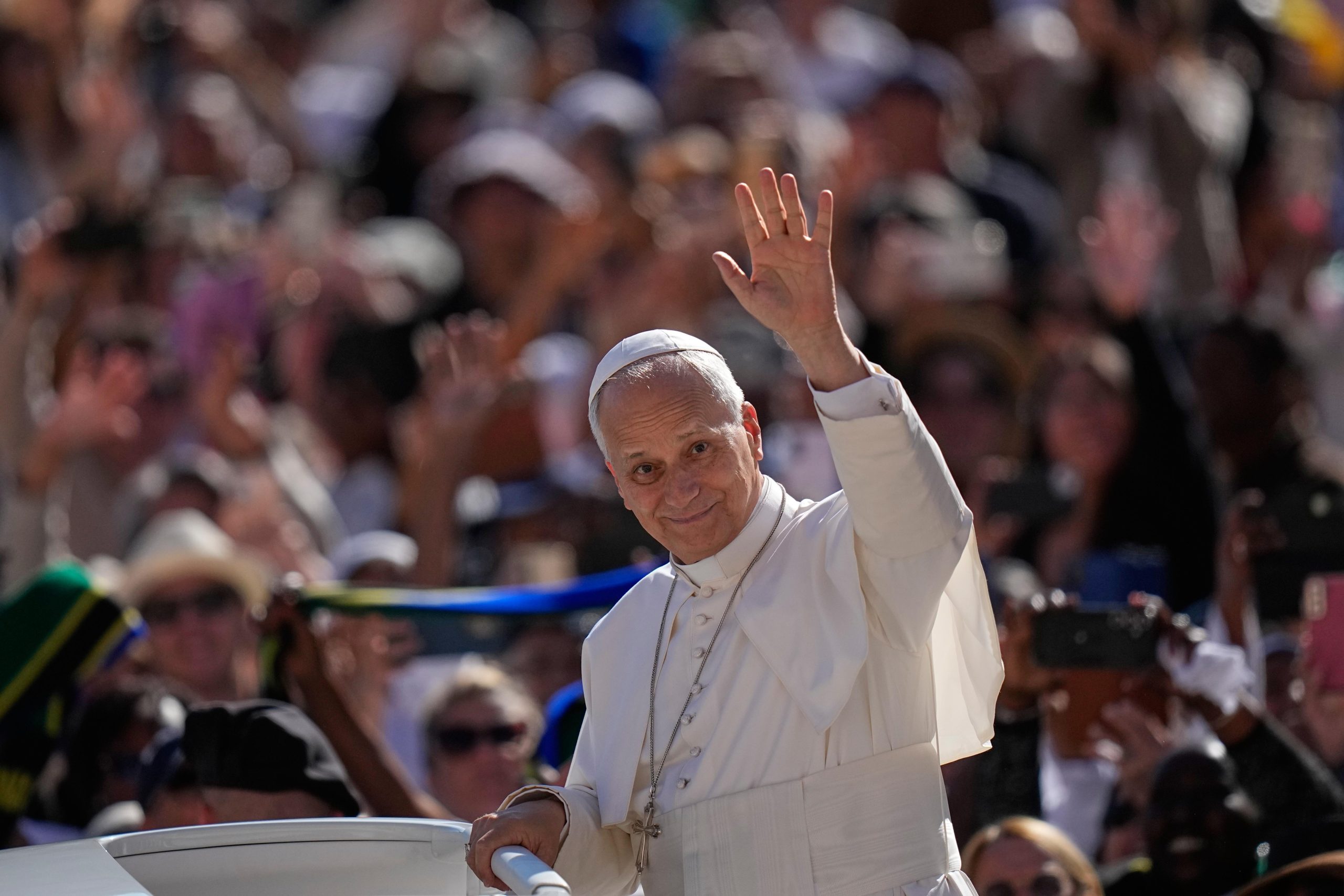
Pope Leo XIV concluded his extensive apostolic visit to Uruguay, Argentina and Peru, a journey that, according to the Vatican News editorial signed by Andrea Tornielli, was marked by the affection and embrace of the peoples visited. Millions took to the streets and filled the squares where events and celebrations were held. The second half of the trip, spent in the lands that first knew Robert Prevost as a missionary and later as a bishop, was accompanied by a growing and moving display of affection.
A return with the taste of home
The pontiff visited, in addition to the capital and his beloved Chiclayo, the cities of Cusco and Pucallpa, traveling through different regions of Peru. On the same day he went from the nearly four thousand meters of altitude in the Andes to the humid, stifling heat of the Amazon. For the Pope, the text notes, this was not a journey like the others, for it had the taste of a return home, and the people made clear how strong that bond was and still is. However, the attention given to this aspect must not push into the background the messages that Leo XIV wished to address to Latin America and the world.
Confirming the faith and valuing popular piety
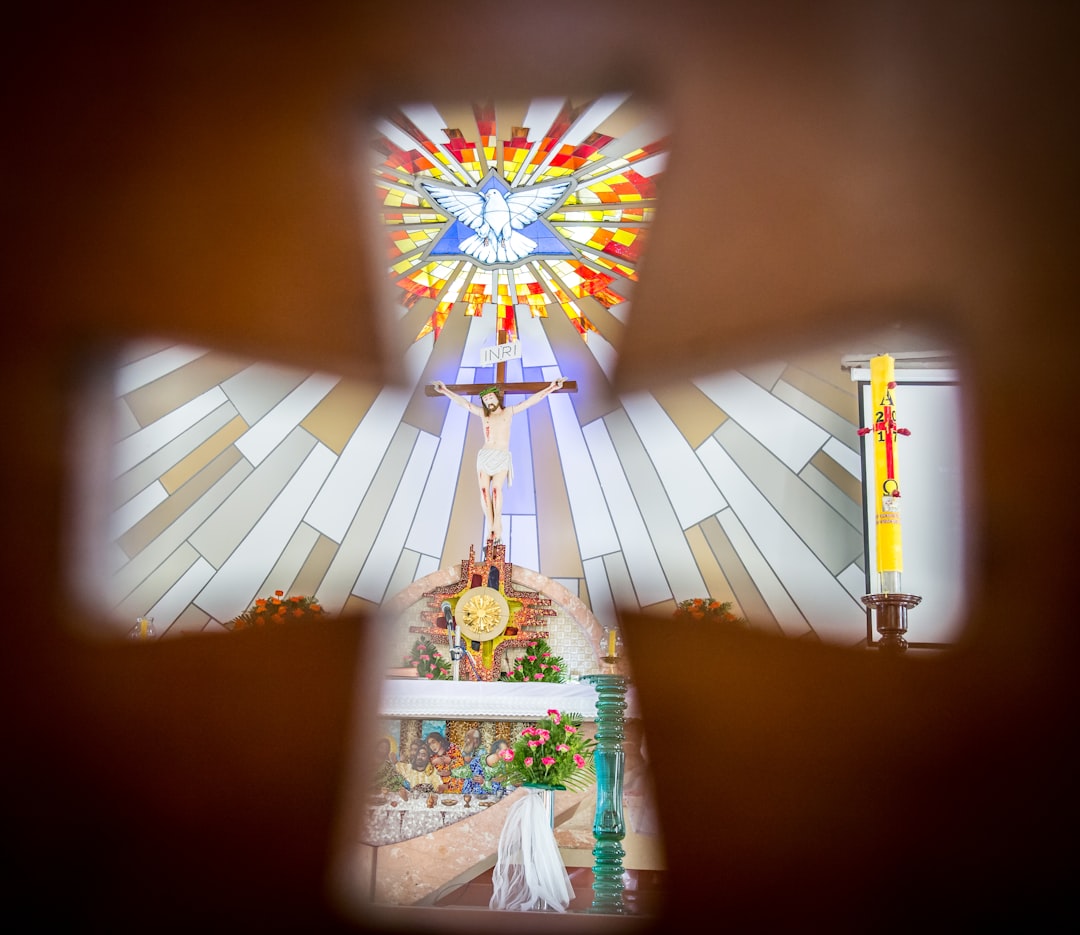
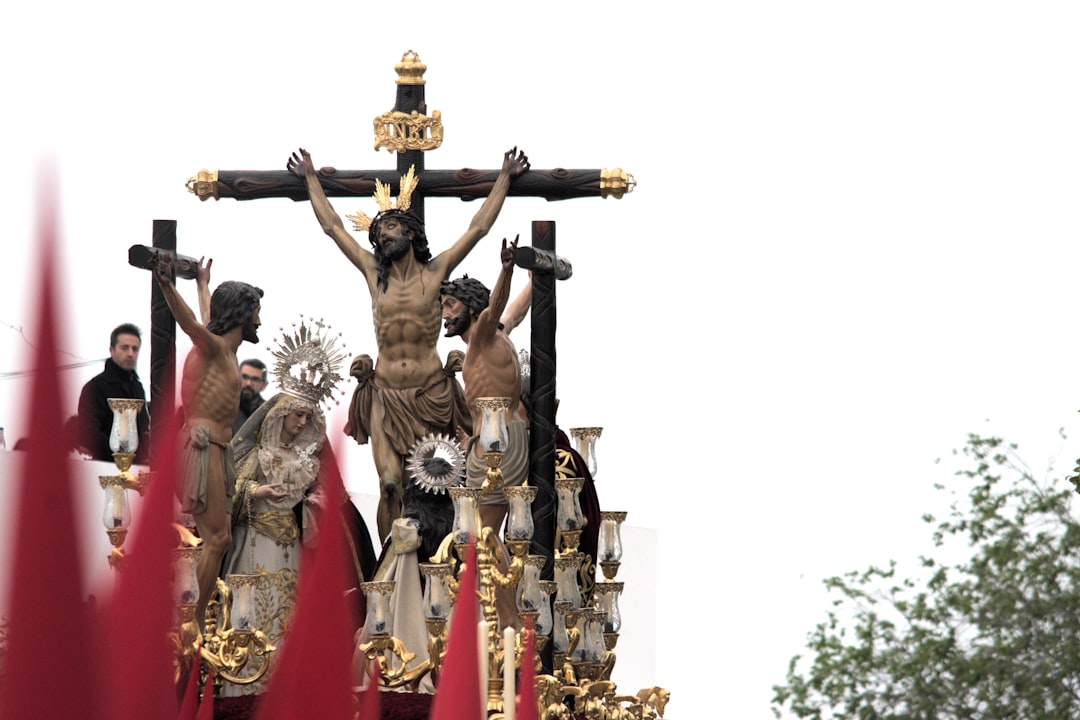
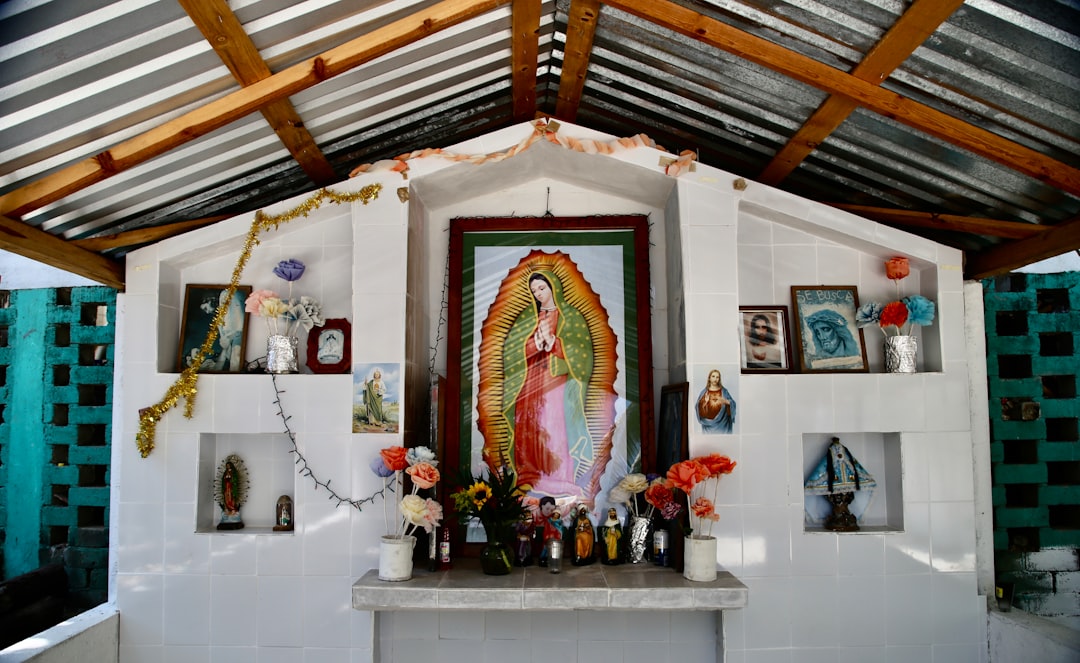
The central element of every trip, the editorial stresses, is that the Pope came to confirm the faith of those peoples. He highlighted its vitality and valued the great capacity for inculturation, the fruit of the dedication of great saints and blesseds and of the daily service of so many missionaries, who did not come to bring a new belief with European and colonial characteristics, but to proclaim the Gospel of Jesus by incarnating it in different cultures. In this sense, the words that Leo XIV dedicated to popular piety at the Saqsaywaman National Archaeological Park in Cusco are significant. The pontiff explained that God seeks the most suitable forms and moments to draw near to us, so that everyone can find him, and he stressed the importance of the communal context of local religious traditions. Thus, a religious festival, a pilgrimage or a procession «are not just a cultural manifestation»: behind every image, every song, every promise and every sign, «there is a community of hearts seeking God and a friendly voice that, from heaven, responds and draws near.»
The Pope gave continuity to the tradition of the great documents of the Latin American episcopate and took up the profound valuing of popular devotion, so emphasized by his predecessor. The proclamation of the joy of the Gospel and the missionary mandate were the common thread running through the many speeches and homilies of this long papal visit.
Social messages and commitment to the least
At the same time, Leo XIV’s apostolic visit was characterized by strong social messages. Words addressed to the authorities of the various countries visited, all marked, though in different ways, by exclusion, poverty and injustice. Words addressed to those who suffer, to convey the closeness of the Church, which is sometimes the only one defending the rights of the discarded. Words addressed to Christians, inviting them once again to incarnate the Gospel in all circumstances, committing themselves to justice, human dignity, the defense of life at every stage of existence and the building of more just economic systems.
Reaffirming, as Leo XIV did when quoting Francis’s words, that the Church is not an NGO does not mean that it should abstain from charity and commitment to justice. It means, rather, highlighting that, without the reflection of the light of the Gospel, without the proclamation of Christ witnessed in every gesture and every action, the Church ends up reduced to an institution that merely provides services and thus ceases to fulfill its mission.
Context and relevance
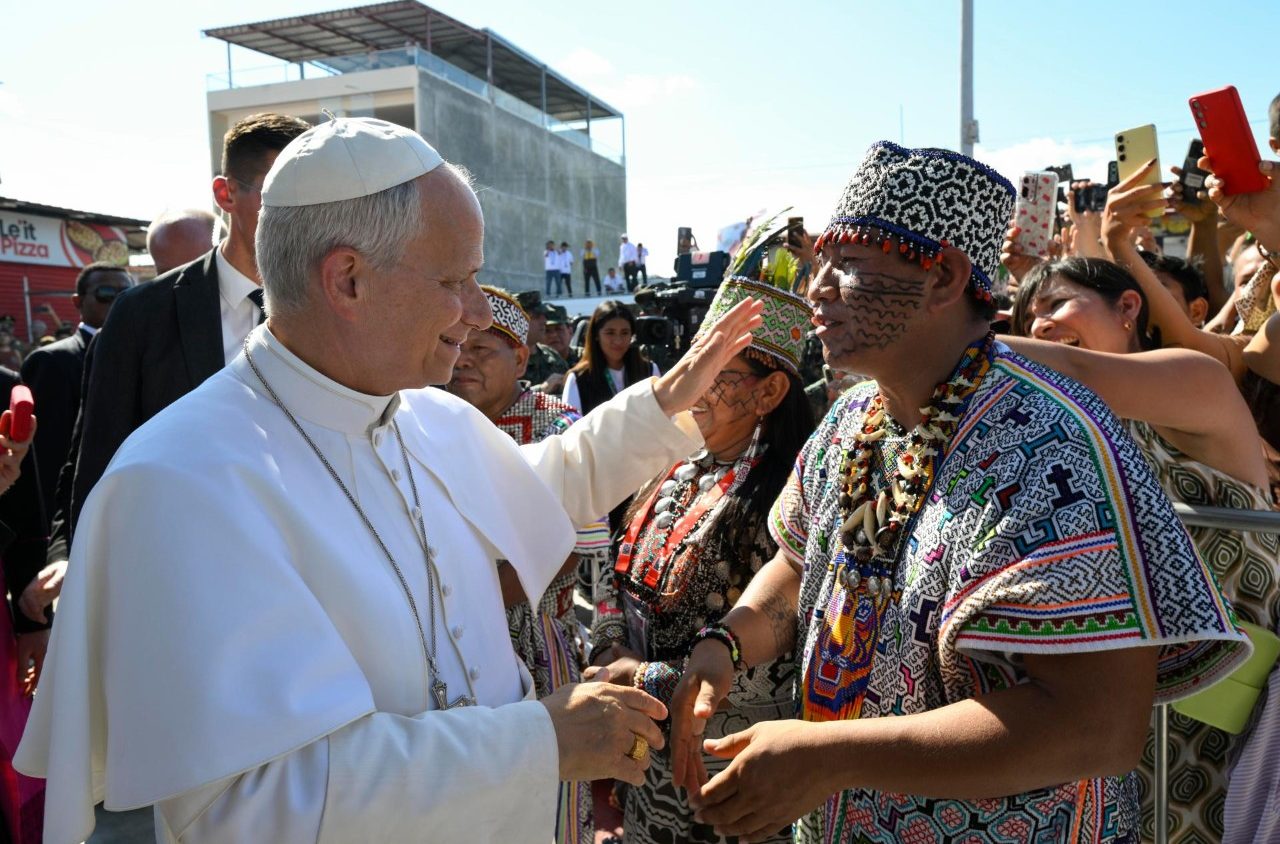
In his address to representatives of the Amazonian peoples, the Successor of Peter stated: «The years lived in this beloved land of Peru, as a missionary and as a bishop, taught me what it means to say that the Church must walk together with humanity in order to serve the Lord faithfully.» And shortly afterward he added: «The cry of the earth and the cry of the poor rise together, unmasking market and exploitation logics that jeopardize the very balance of creation… Integral ecology, social justice and spiritual life walk side by side.» It is the proposal of a living Church, which lives by the light of its Lord and bears witness to the Gospel in all circumstances, through closeness to all, especially those who need it most, raising its voice in defense of the dignity of every human being.
Original source: www.vaticannews.va (published on November 16, 2026)