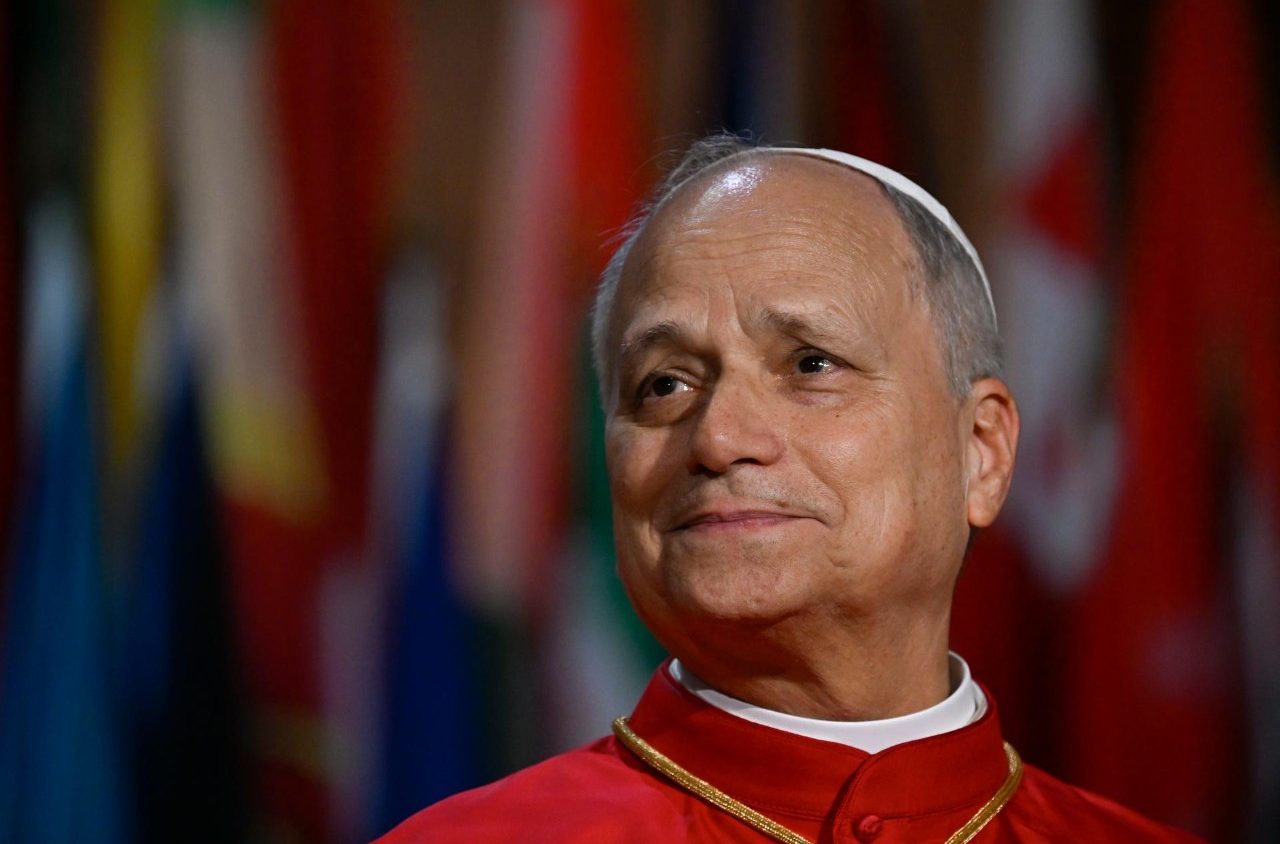
Pope Leo XIV will set out in the coming hours on an apostolic journey through Latin America that will take him first to Uruguay, then to Argentina and finally to Peru, the longest leg of the trip. According to the information published, it is a twelve-day journey with thirteen plane flights and two helicopter flights. The pontiff, born in the United States, thus returns to the continent where for more than twenty years he served first as a missionary and then as a bishop, and where Peru can be considered a second homeland, a homeland of the heart.
A bond that has never been broken
The text recalls that, a few minutes after his election, Leo XIV appeared at the central balcony of St. Peter’s Basilica and greeted the crowd and the faithful connected from around the world, first in Italian and then in Spanish, to offer a special greeting «to my beloved diocese of Chiclayo, in Peru, where a faithful people has accompanied its bishop, has shared his faith and has given so much, so much, to continue being a Church faithful to Jesus Christ.» The Peruvian leg represents, in this sense, a return home to recall a bond that has never been broken between a missionary bishop «with the smell of the sheep» and his people. The importance the Pope gave to this journey became evident even during the days of his recent hospitalization at the Gemelli Polyclinic.
The article specifies that it would be limited to reduce the journey solely to the category of a return or a «patriotic» pilgrimage. First, because Pope Leo will visit two other countries, characterized by problems and situations both common and different from one another. And also because the interpretation of this return home must not leave in the background the messages that the Pontiff comes to bring to these lands: above all, to confirm in the faith the Christian people who live there, relaunching an evangelizing mission based on closeness, tenderness, sharing, support for the poorest and the commitment to build together a more just society.
Facts confirmed by stage
In Uruguay, Leo will find himself facing one of the «most European» countries in Latin America, characterized by a long history of stability and democracy, but also by a secularism that is not always open to the positive and public role of religions, where a law on euthanasia was introduced a year ago. In Argentina, Francis’s native country, to which he did not return after his election in 2013, the Pope will find a strongly polarized society and great social challenges. The text describes these characteristics as typical of a continent where poverty persists and there is a great gap between a few rich and many poor.
The article notes that Leo XIV will speak of justice according to the Church’s Social Doctrine, not to oppose this or that government — the Successor of Peter does not act as a politician — but to invite unity in the face of polarization and the building of a more just and inclusive society. A society that takes into account the needs of the last or of those living in the extreme peripheries, such as the Amazonian peoples who feel abandoned, but who will receive the Pontiff’s visit during the Pucallpa stage.
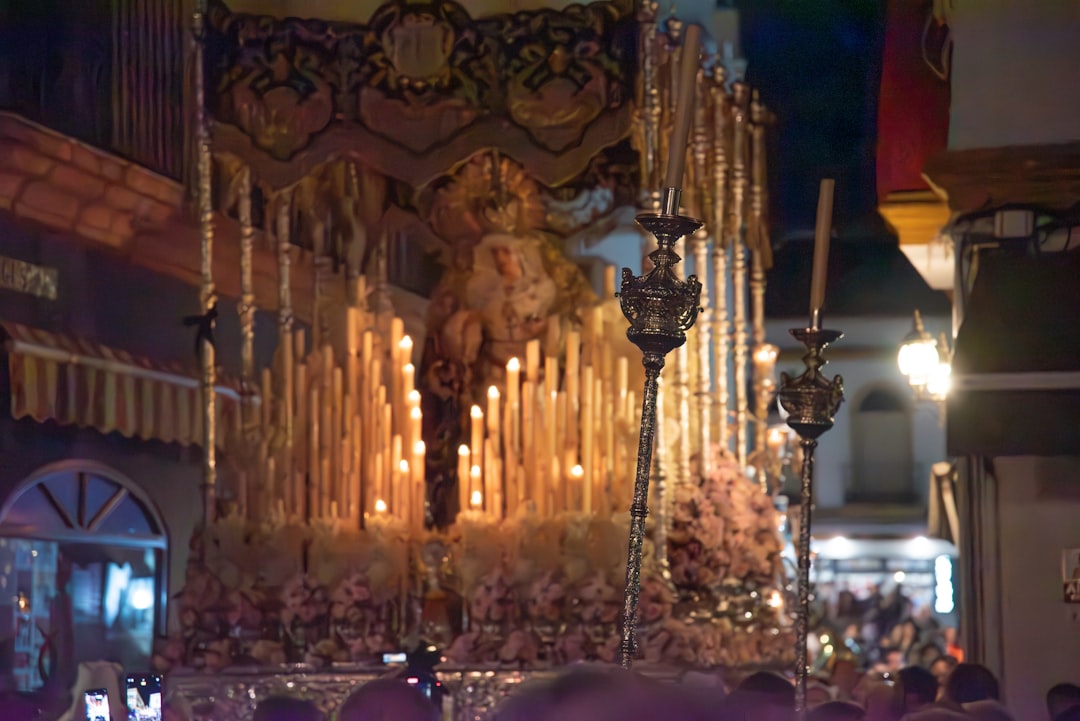
The essence of the message that Leo comes to bring to Latin America is summarized in the three mottos chosen for the three stages: «I bring you good news of great joy» for Uruguay; «Welcome all. Go and announce» in Argentina; «Let us open our hearts» in Peru. It is a call to faith and to the evangelizing mission, to promote unity and encounter. In the coming days, the appreciation of the hidden treasures of these countries will be central: the numerous saints and blesseds who have inculturated the message of Christ in different contexts and popular devotion, which plays a fundamental role in the faith experience of Latin American peoples.
Context and relevance
The journey is presented, therefore, as a pastoral visit that combines the Pope’s personal return to a land where he served as a missionary and bishop with a message addressed to the Catholic communities of Uruguay, Argentina and Peru. The source highlights that, during the Covid pandemic, as apostolic administrator of Callao, he organized a solidarity network and distribution of food, water and medicines for all inhabitants and irregular workers who, due to restrictions, were confined to their homes without money or food. People still remember this help as a «response from God» to their pleas. This type of action, together with the mottos and the planned stages, frames the journey as a mission of closeness and concrete support, rather than a simple commemoration.
The text stresses that the visit is not limited to an emotional aspect, but seeks to confirm in the faith the Christians of the region and relaunch an evangelizing mission based on closeness, tenderness, sharing and support for the poorest. The mention of the saints and blesseds, as well as popular devotion, is presented as part of the faith experience of Latin American peoples, without the source detailing specific names or causes. The journey, with its thirteen flights and two helicopters in twelve days, reflects the intensity of a schedule that combines meetings in three countries and particular attention to the peripheries, such as the Amazonian peoples in Pucallpa.
Original source: www.vaticannews.va (published on November 5, 2026)