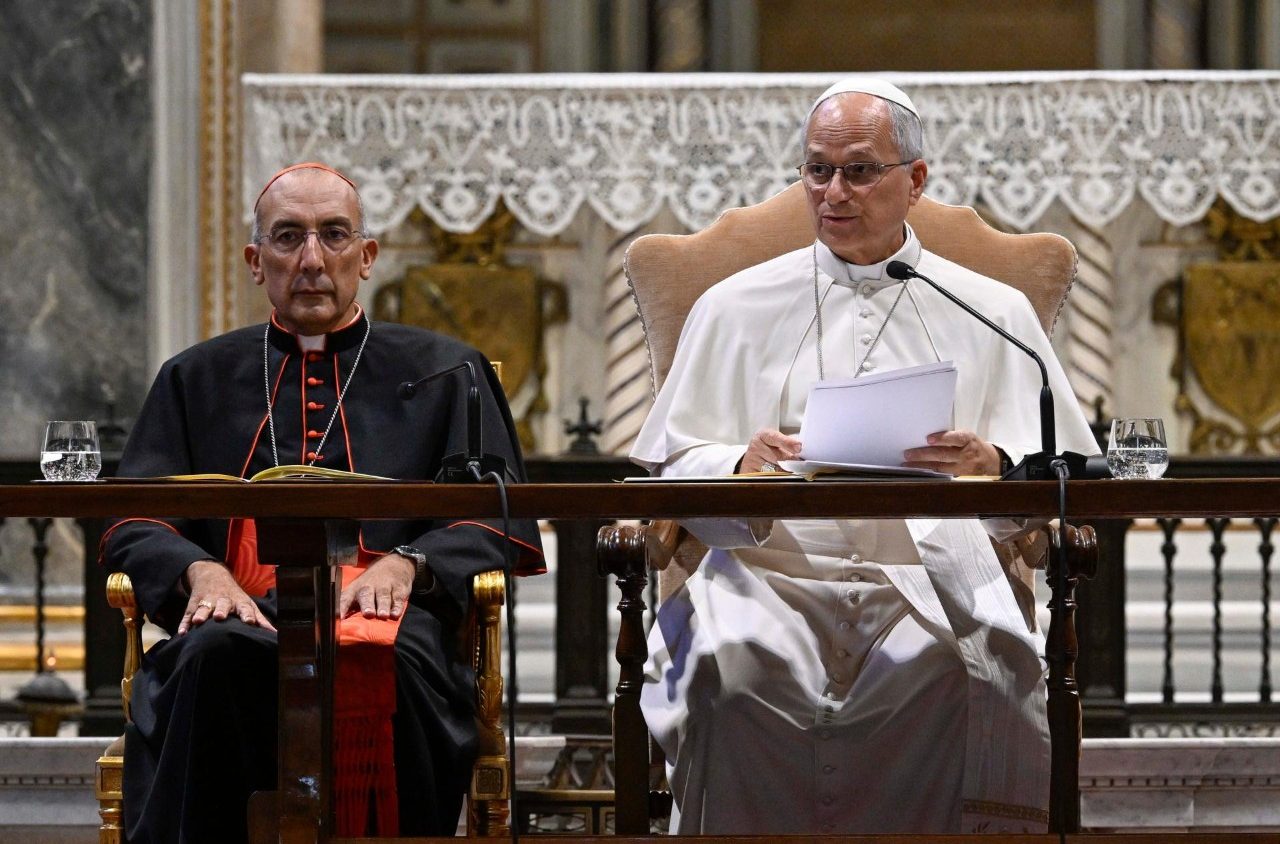
Pope Leo XIV encouraged the Diocese of Rome to begin its new pastoral year with a shared process of evaluation, rather than simply adding new initiatives. He did so during his address at the Diocesan Assembly held in the Basilica of St. John Lateran on Friday, September 18, 2026. According to Vatican News, the Pontiff clarified that he was not presenting a new pastoral program, but a method of «pastoral evaluation» that involves pausing to reread what has happened, recognize the fruits, understand what has not worked, and seek the reasons together. The process should involve the entire ecclesial community and, where possible, also listen to those who do not regularly participate in the life of the Church.
The Pope’s presence at the assembly had been announced by Cardinal Vicar Baldo Reina on September 9. In his reflection, Leo XIV began with the Gospel account of Mary Magdalene at the empty tomb on Easter morning and proposed Jesus’ questions to her—»Why are you weeping? Whom are you seeking?»—as questions for the Church and the city of Rome. The Pope acknowledged the vitality already present in the diocese, including parishes, associations, movements, and other ecclesial realities committed to evangelization, charity, and prayer. At the same time, he warned of the risk that an abundance of activities might cause communities to lose sight of their Gospel center.
The Pontiff stressed that pastoral action must begin not simply by asking what to do, but whom to meet and how. When Mary hears Jesus call her by name, he said, she recognizes him. Similarly, people in ecclesial communities should not remain anonymous or invisible, but be seen, known, and called by name. An authentic encounter with Christ then becomes a source of missionary joy. «The Church does not exist for itself, but to lead each person to an encounter with the Lord,» he said.
Context and relevance
Leo XIV identified three priorities for pastoral evaluation. The first is «encountering Christ and helping others encounter him»: activities should be evaluated not only by their organization or participation, but by whether they truly lead people to Christ and connect the Gospel with their lives. The second is «generating community»: Christian communities should offer relationships in which people feel welcomed, accompanied, valued, and responsible. The Pope particularly mentioned the need to offer young people time and attentive listening. The third is «inhabiting and serving the city»: Rome is not merely the backdrop for the Church’s activities, but the place of its mission. The Church is called to share the city’s expectations, fragilities, and questions and to recognize where the Gospel can offer a response. A fourth concern runs through all three: the formation of the People of God, so that pastoral activities help people grow in faith, become missionary disciples, take on ecclesial responsibilities, and develop a mature faith capable of translating into concrete choices of life and service.
The Pope emphasized that the proposed process should not become another burden for priests and pastoral workers. «The art of pastoral evaluation,» he said, «does not ask them to do more»; rather, it gives the Church permission to «do less and do it better.» He invited priests to listen before responding and to discern before deciding, recognizing the charisms and responsibilities of the laity. «Presiding does not mean doing everything,» he said, but rather generating communion and allowing the gifts of others to emerge. He also encouraged the Prefectures of Rome to become places of authentic priestly fraternity where ministers can share their difficulties without shame.
In conclusion, Leo XIV recalled the example of Don Luigi Di Liegro, a Roman priest who founded the city’s Diocesan Caritas and worked tirelessly for the poor and marginalized. He announced that he has «gladly approved the decision to take the necessary steps to begin the diocesan investigation into the life, virtues, and reputation for holiness of Don Luigi Di Liegro.» The Successor of Peter linked the priest’s emphasis on seeing and listening with the central question of discernment: «Lord, where are you?» He expressed his hope that the process will lead to renewed pastoral experiences and a common path toward the Jubilee of the Redemption in 2033. Finally, he entrusted the Diocese of Rome and the city to Mary, Salus Populi Romani, asking her to accompany its pastoral journey.
Original source: www.vaticannews.va (published on September 18, 2026)