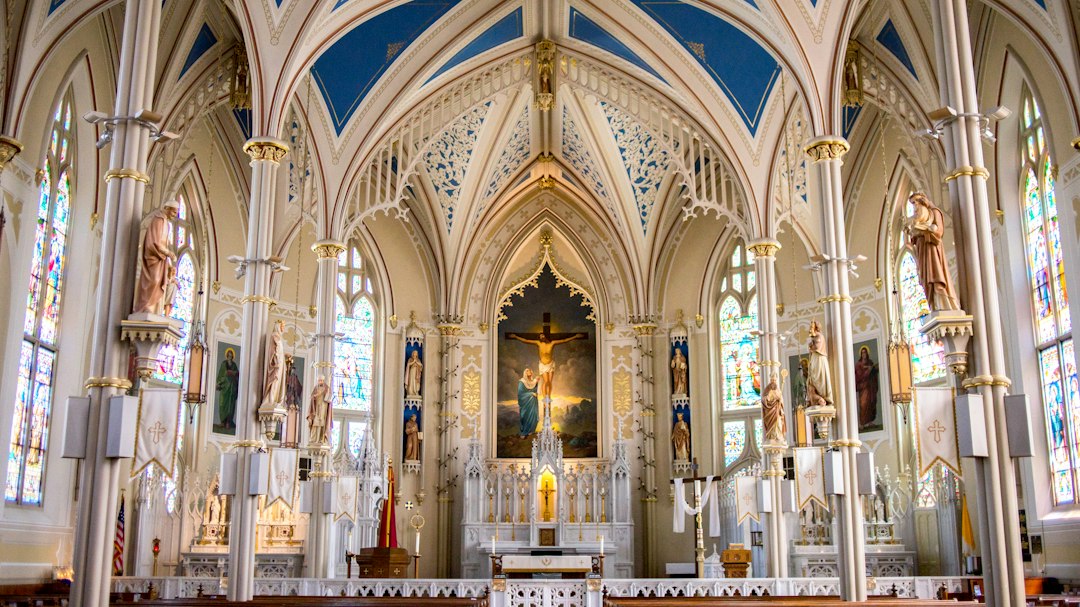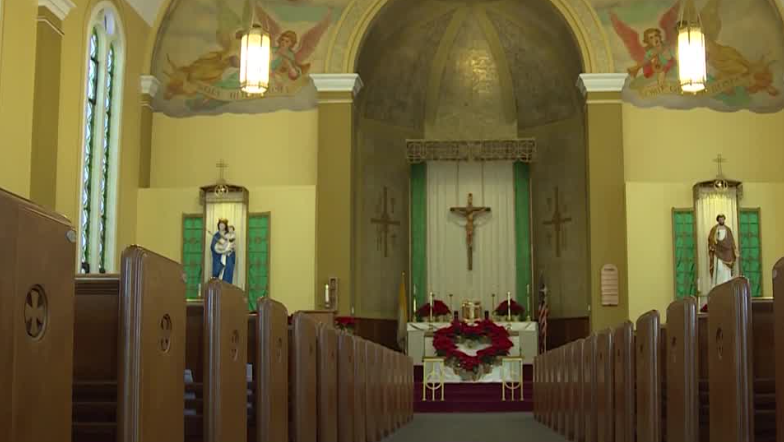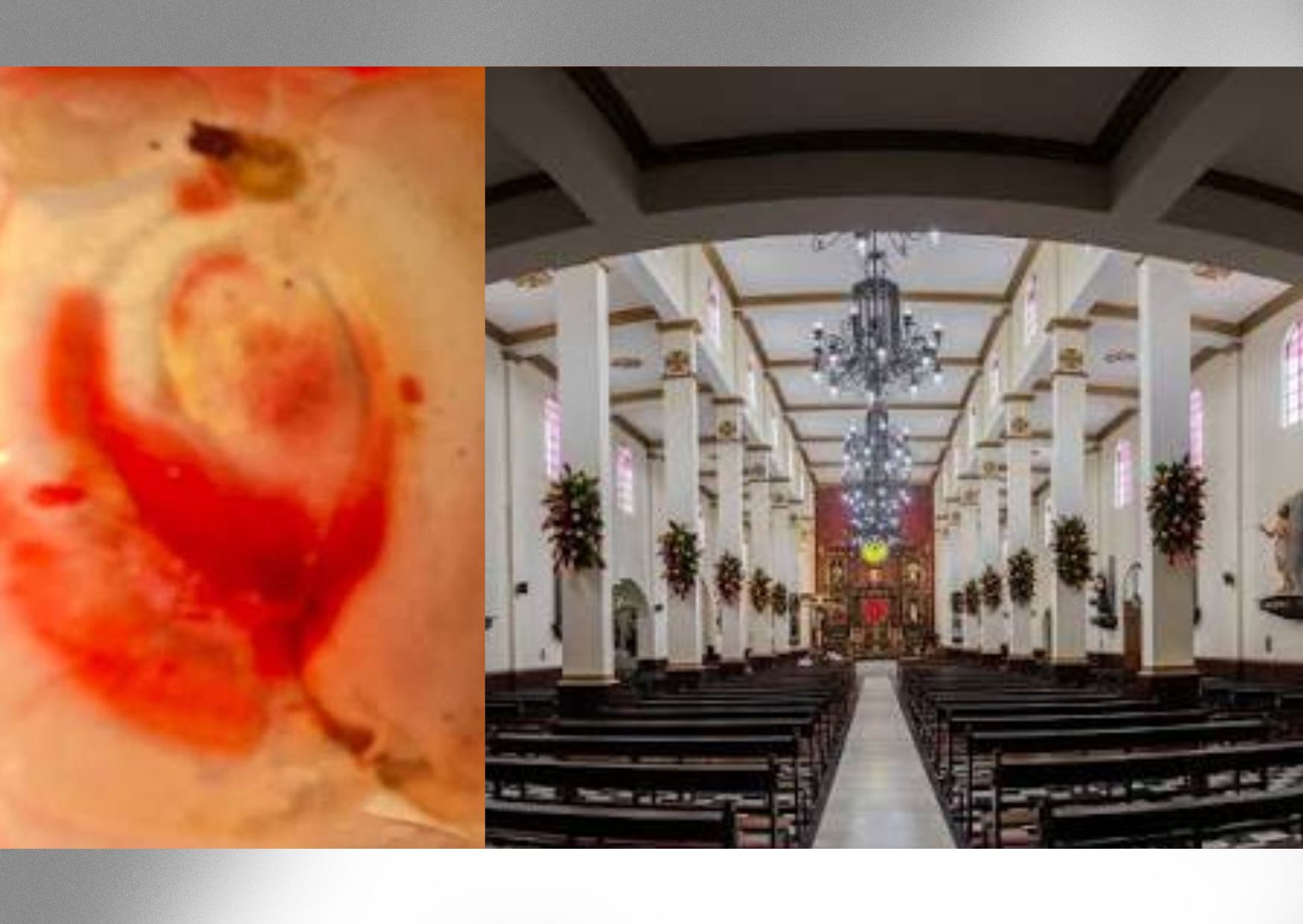
The Diocese of Santa Rosa de Lima, in Guatemala, is facing a phenomenon it has decided to study: a consecrated host that did not dissolve in water and on whose surface appeared reddish stains that, according to the parish statement, «could be blood.» The events date back to July 30, during a Mass celebrated at a private school as part of the Eucharistic Missionary Week organized by El Niño Dios Parish, which is also the cathedral church of the Diocese of Santa Rosa de Lima, in Cuilapa, a small city located about sixty kilometers southeast of Guatemala City.
Main event
During Communion, a teenager received the consecrated host and returned to his place. The priest noticed that the young man was removing it from his mouth and intervened immediately, managing to prevent him from throwing it to the ground. The recovered host was placed in a glass of water in the chapel of the parish house so that it would dissolve, a common practice when, for some particular reason, a consecrated host cannot be consumed.
A week later, a parish collaborator responsible for cleaning the chapel made an unexpected discovery: the host had not dissolved and red stains had appeared on its surface. A deacon and a priest were called immediately and they too confirmed the phenomenon. In the following days, another priest, a deacon, and three laypeople personally saw the host. The priest gathered the testimony of the first witness and, on August 15, showed the photographs to the Bishop of Santa Rosa de Lima, Monsignor José Cayetano Parra Novo, a Dominican. On August 22, the parish decided to make the matter public. The Guatemalan press quickly picked up the story.
Confirmed facts and ecclesial situation
The statement published in Cuilapa is particularly cautious. The parish does not speak of a «Eucharistic miracle,» but of a «possible Eucharistic manifestation.» It acknowledges that the observed stains «could be blood,» without affirming that they are. And above all, it recalls that such phenomena «cannot be called miracles before a full investigation is completed.» The host has been placed in a reserved location and will not be exposed publicly. It is now up to Monsignor Parra Novo to determine the conditions for discernment and any necessary analyses.
This caution is essential. A red coloration appearing in bread that remained in water for several days may have natural causes, particularly microbiological ones. The observed coloration alone does not allow concluding the presence of blood. That is precisely the purpose of scientific analyses: to determine the nature of the matter before any supernatural interpretation.
Context and relevance
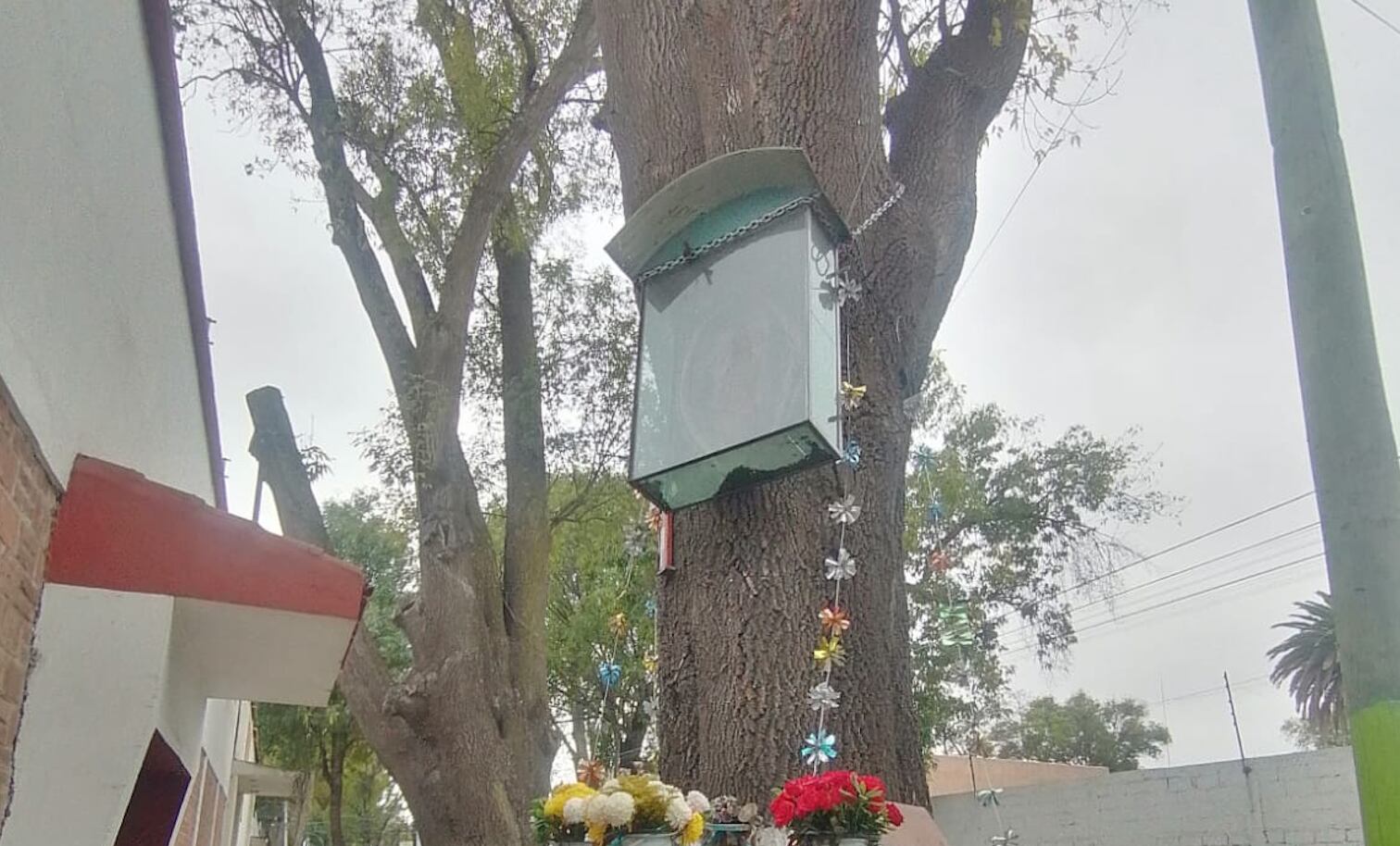
The matter takes on particular resonance in Cuilapa. The Guatemalan newspaper La Hora recalled that another religious phenomenon had stirred deep emotion there: that of the «Christ of the Portents,» a crucifix that was said to «sweat blood.» The story is resurfacing today on social media because of the new Eucharistic phenomenon. For now, the Church rejects any rush to judgment.
The message addressed to the faithful by the cathedral is above all spiritual. The parish invites people to make reparation for offenses against the Blessed Sacrament, to participate more devoutly in Mass, and to go to confession frequently. It concludes its statement with a phrase that returns the event to the essence of the Catholic faith: «Jesus is alive in the Eucharist; He is not something, He is Someone.»
The distinction between devotion, testimony, attribution, investigation, and official recognition by the Church is key in this case. There are testimonies from several identified witnesses, a preserved material fact, and an ecclesiastical authority already informed. However, there is currently no official recognition of a miracle or any conclusion about the nature of the stains. The investigation requested by the bishop will have to say what actually happened. Unlike the many images of supposed prodigies that circulate daily on social media, here there is a preserved material fact, several identified witnesses, and a competent ecclesiastical authority that has been informed. The outcome, therefore, remains pending the analyses and ecclesial discernment.
Original source: tribunechretienne.com (published on August 25, 2026)