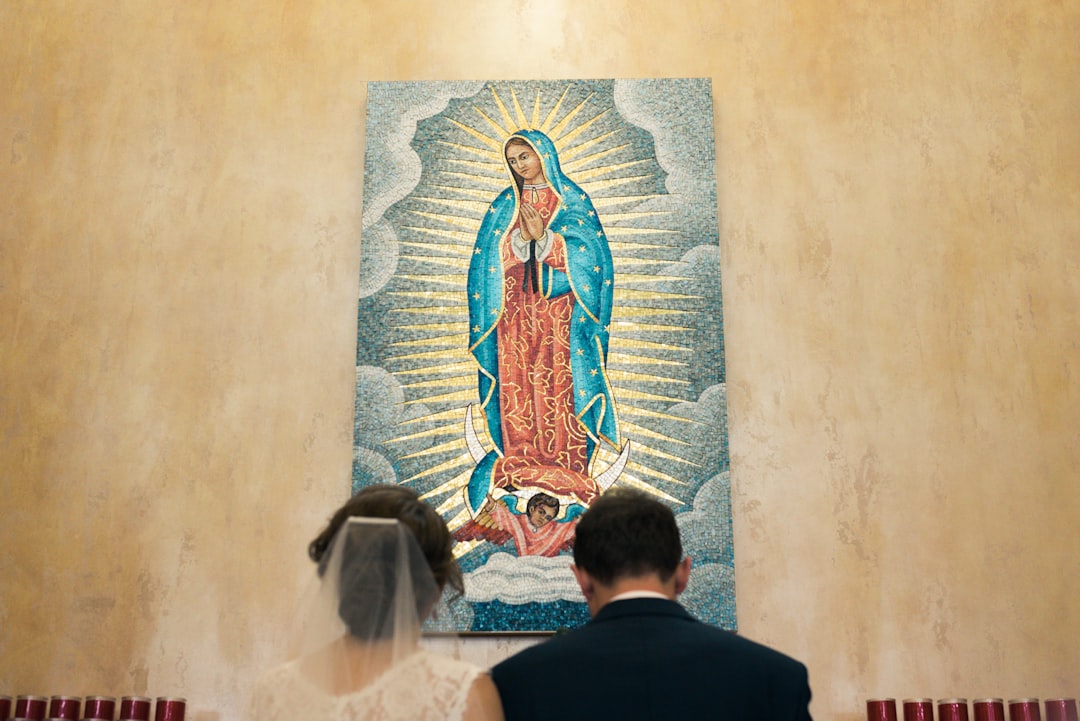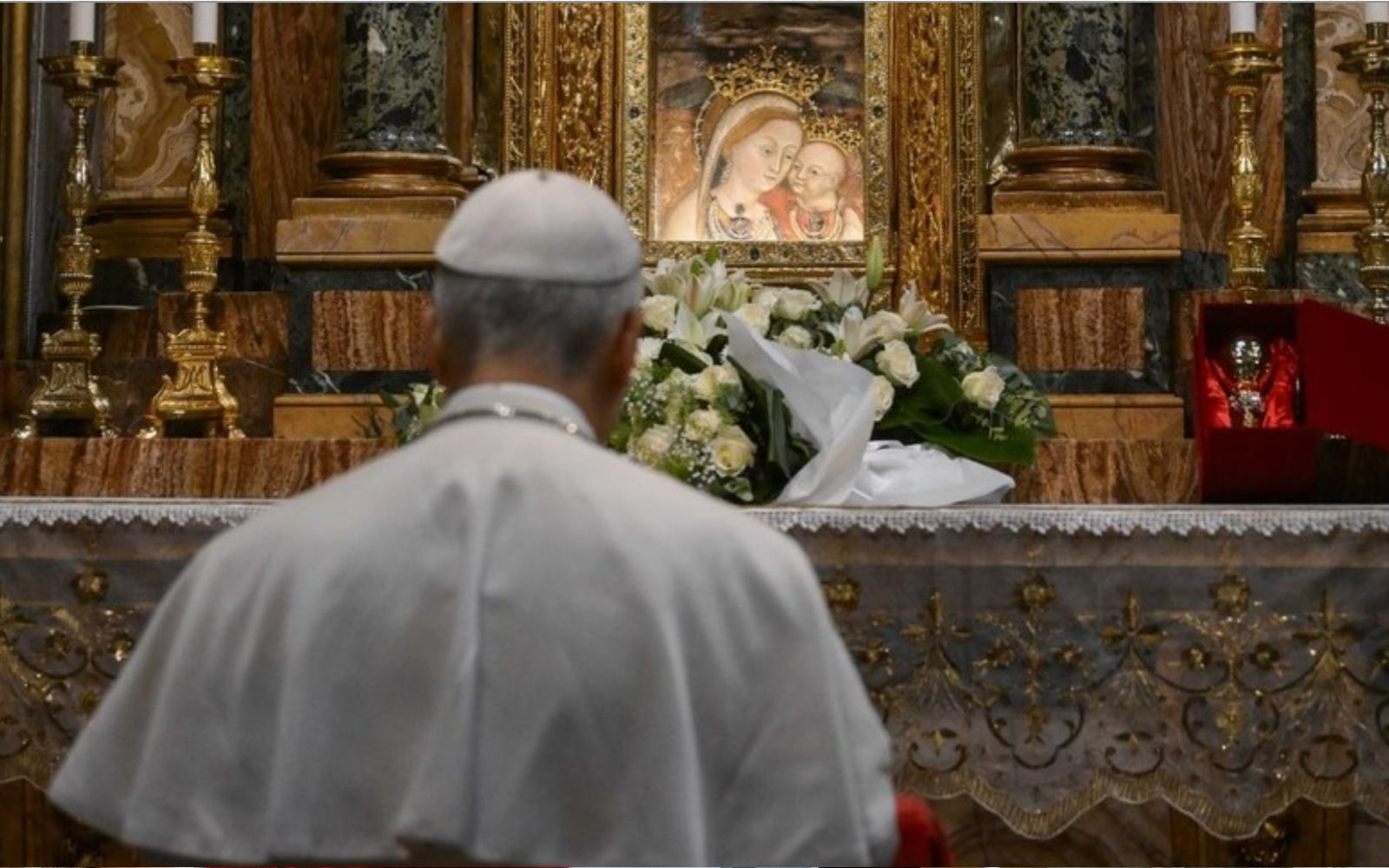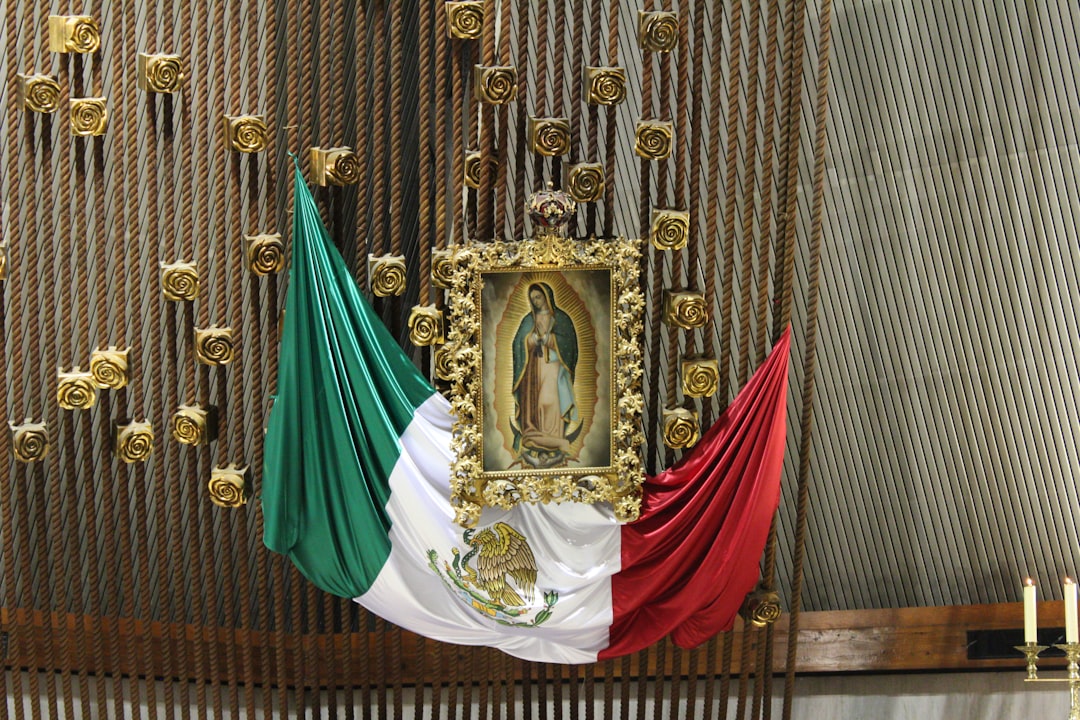
The annual pilgrimage to the most visited Marian sanctuary in the world attracts millions of faithful from rural areas of Mexico to the Basilica of Our Lady of Guadalupe, located on a hill in Mexico City. This year, 13 million people were expected to make the journey for the December 12 feast, many using traditional means: on foot through mountain passes, by bicycle on secondary roads, crowded into trucks decorated with garlands, or on their knees for the final stretch. At the basilica, pilgrims crowd onto a moving walkway in front of an almost 500-year-old image of the Virgin Mary, framed in silver and gold, which has become a national emblem.
The photographer’s gaze
Venezuelan photographer Kike Arnal, author of the series for National Geographic, focuses on the emotional faces of the pilgrims. “I am very interested in photographing emotional faces,” he explains. “This whole project came about because I was deeply moved when I went to the basilica and saw people contemplating the painting of the Virgin, how emotional they were, how they cried… It was very impactful.” Over dozens of kilometers, from the state of Puebla, pilgrims — from babies to the elderly — wear out their shoes, sleep outdoors on the frozen ground, carry heavy statues of the Virgin of Guadalupe, and run barefoot with torches. However, the pilgrimage also reveals itself as a meticulously planned social event, with groups of friends, families, and entire communities coordinating their journey.
Organization and dangers
Arnal documented scenes in Llano Grande, where pilgrims, dressed in rust-orange tracksuits, gather on bicycles before departing after lunching on meat tacos. “They organize in groups in towns and communities. They rent buses, trucks to transport food, bring cooks. Everything is very organized,” notes the photographer. For the faithful, the days of travel are as important as arriving at the basilica. Arnal walked with them from San Martín Texmelucan to Ixtapaluca, on the outskirts of Mexico City, where they join an active highway. “It is extremely dangerous, a guillotine. There is something crazy about it, like blind faith,” he comments. To earn their trust, Arnal shares details of his own life and asks: why?
Historical roots and personal faith
The tradition dates back to 1531, when, according to legend, the Virgin of Guadalupe appeared to Juan Diego on Tepeyac Hill and asked that a chapel be built in her honor, leaving her image imprinted on the devotee’s cloak. Today, many make the pilgrimage as part of a promise or vow, to ask for healing or prosperity, or to give thanks. Sergio Zamarrepa Pérez, who pushed his four-year-old son in a stroller decorated with garlands, explained that the boy was born with clubfoot and that the family has made the walk during his treatment as part of a wish for healing. “All this is for love of him. We feel calmer. We hope he grows up well and is happy,” he said. “And because we like it, because it’s our customs. We like to spend time as a family and share everything, see how other people enjoy it, just like us.”
Original source: www.nationalgeographicla.com (published December 15, 2025)
Photo: Edgar Henríquez, LC on Unsplash