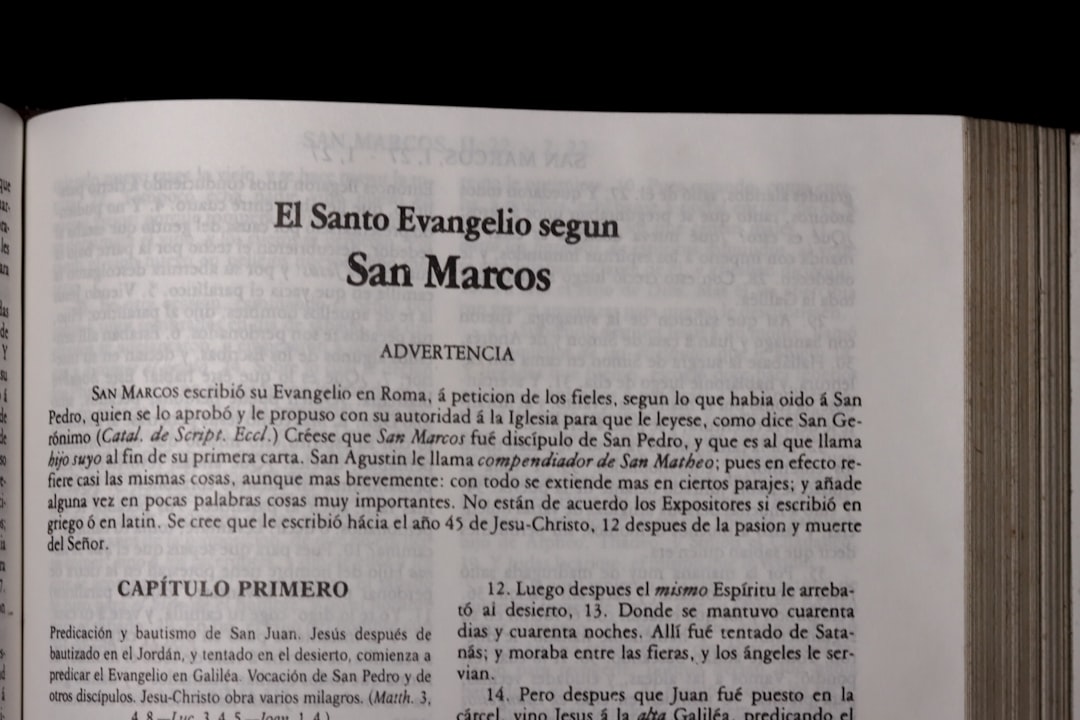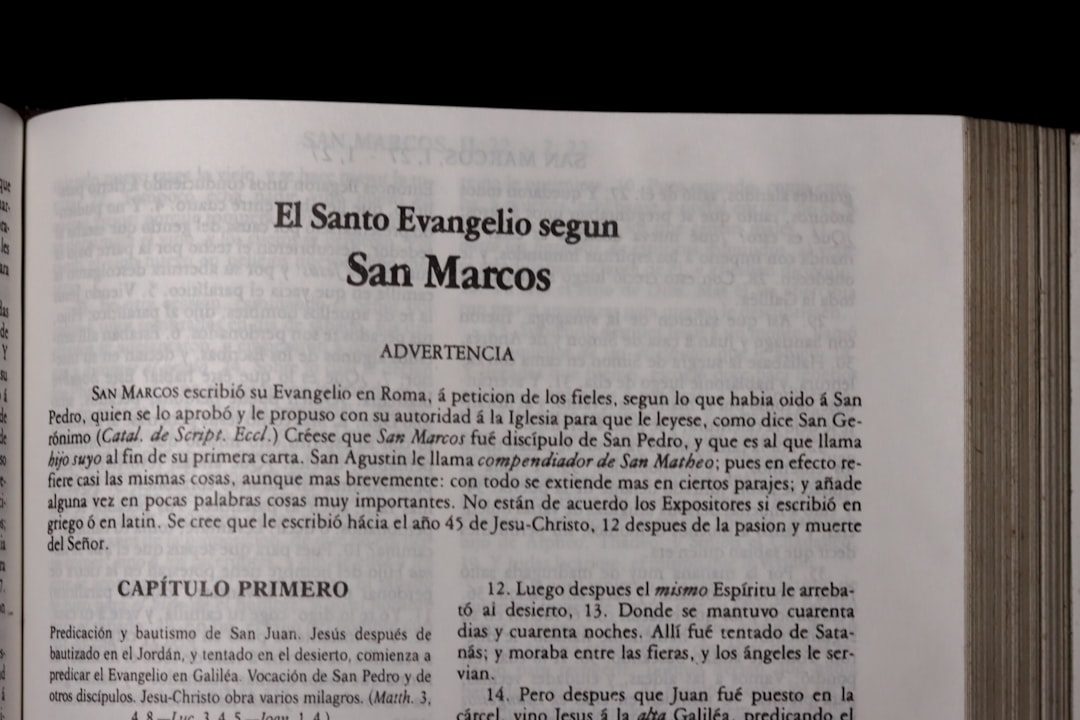
On December 1, 1947, the town of les Coves de Vinromà, in the province of Castellón, was the scene of a religious phenomenon that gathered some 300,000 people. The crowd gathered hoping to witness an apparition of the Virgin Mary, after an eight-year-old girl, Raquel Roca, claimed to have seen the Mare de Déu on several occasions in the Cova Campana. This event, known as the ‘miracle’ of les Coves, was compared at the time to the famous apparitions of Lourdes and Fátima.
The context of the apparitions
According to collected testimonies, Raquel Roca recounted that the Virgin had appeared to her in the cave near the town, generating great expectation among the faithful and the curious. The news spread quickly, and by the afternoon of December 1, a crowd had gathered at the site, coming from various regions of Spain. However, the apparition did not occur, causing disappointment among attendees and giving rise to various interpretations of the phenomenon.
Repercussions and legacy
Although the Catholic Church did not officially recognize the event as a miracle, it left a mark on the collective memory of the region. For decades, it has been remembered as an episode of popular fervor reflecting the search for the supernatural in postwar times. The Cova Campana became an informal pilgrimage site, and the story has been passed down from generation to generation, keeping the legend of the ‘miracle’ of les Coves alive.
Today, the anniversary of this event continues to be a reason for reflection for the inhabitants of les Coves de Vinromà, who consider it part of their cultural and religious heritage. Although there was no ecclesiastical confirmation, the episode illustrates how popular faith can mobilize thousands of people around a shared spiritual experience.
Original source: www.elperiodicomediterraneo.com (published December 10, 2022)
Photo: Jesús Vidal on Unsplash