A Tradition That Endures
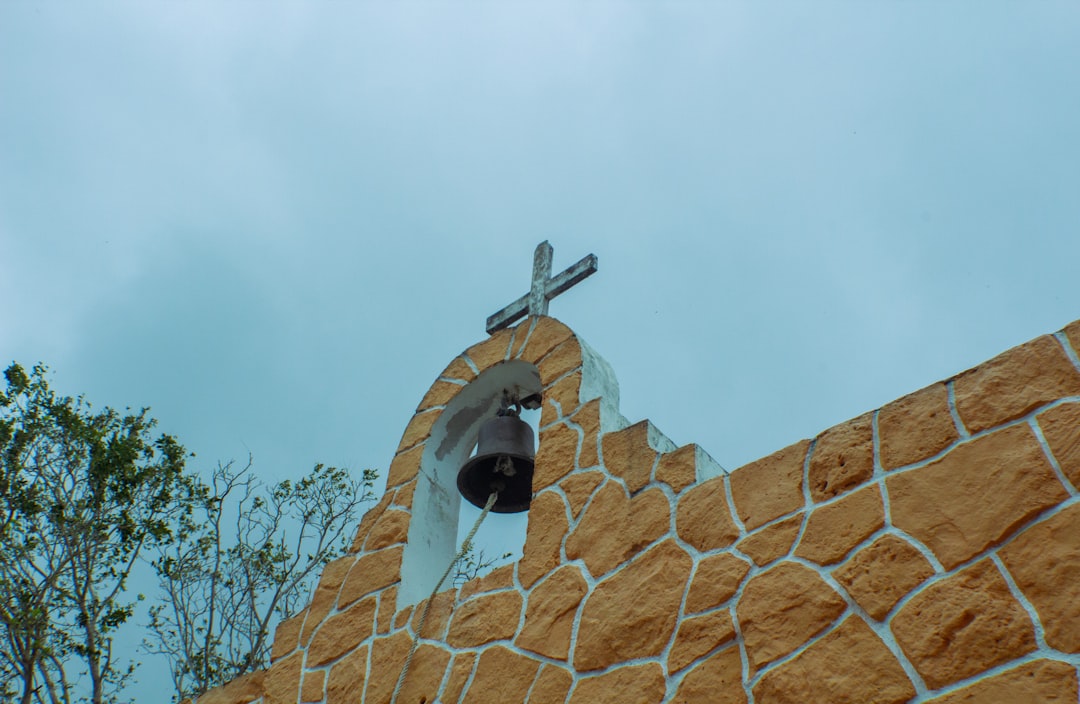
In the early hours from Saturday to Sunday, at 4:30 a.m., the ringing of the bells at the Sanctuary of the Miracles of Amil, in the Pontevedra municipality of Moraña, marks the official start of the great annual pilgrimage. This sound, laden with religious symbolism, calls thousands of pilgrims from across the region and various parts of Galicia, beginning a day of profound Marian devotion.
The Pilgrimage and Central Events
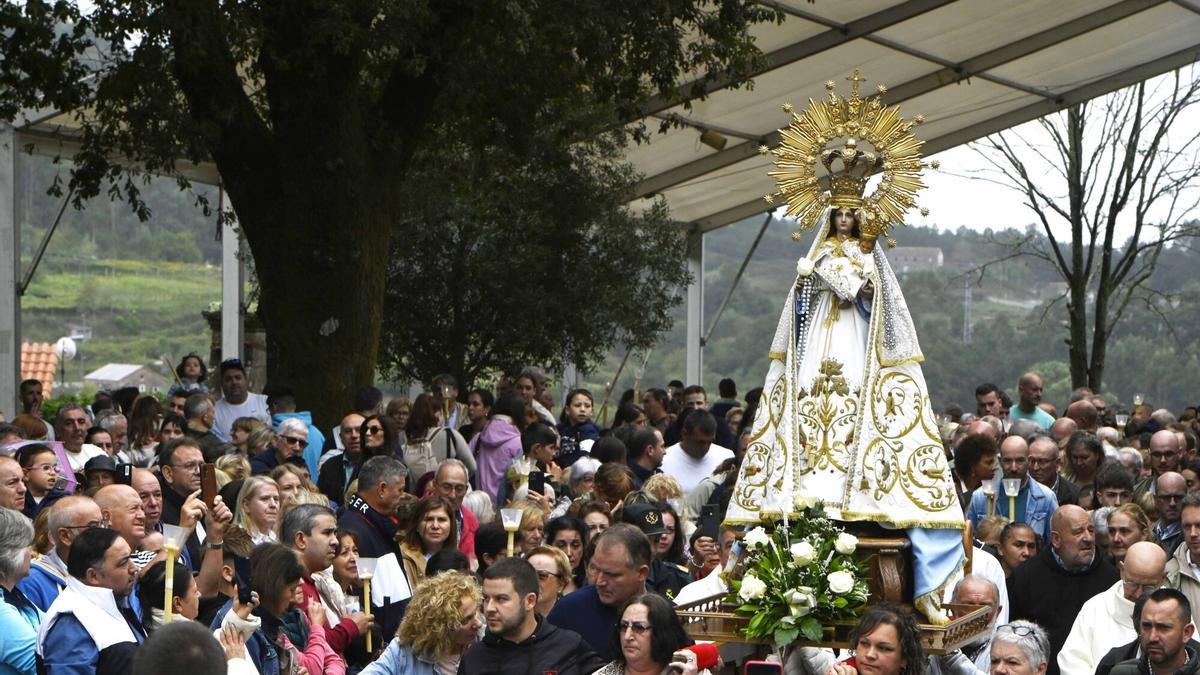
After the bell toll, the procession of the Virgin of the Miracles with Torches takes place across the sanctuary’s esplanade. Each September, this parish transforms into the epicenter of a massive pilgrimage. The faithful come driven by faith to raise their requests to the Virgin and, in many cases, to fulfill promises made after receiving past graces. Although this year’s rain slightly reduced attendance compared to other editions, participation was equally numerous and fervent.
The Path of Faith
A significant gesture of devotion is the walk of approximately 15 kilometers that separates the city of Pontevedra from Moraña. Many pilgrims start this walk in the early hours or first thing in the morning to attend the solemn mass at one in the afternoon. Dedication goes to the point where some pilgrims already arrive at the site on Sunday night, staying overnight around the sanctuary, which gradually fills up as the day progresses.
Rituals and Expressions of Devotion
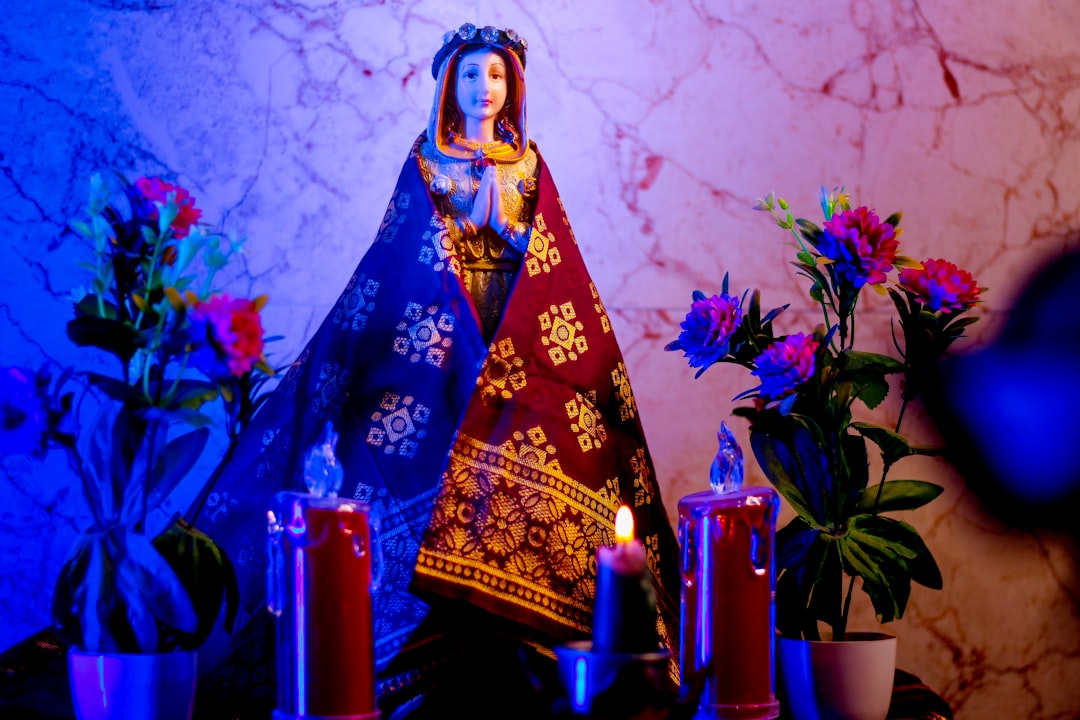
The pilgrimage is marked by rituals that believers repeat year after year. Long lines form to access the interior of the temple and pay their respects before the image of the Virgin with the Child. A traditional practice has been the offering of money, hanging bills from the image’s mantle. For safety reasons, this custom has been minimized, and the parish removes these offerings to store them securely, preventing them from being carried in procession.
Another act of faith involves rubbing religious stamps, distributed that day, against a metal panel representing the Virgin. Likewise, outside the sanctuary, the faithful deposit ex-votos—offerings in the form of small figures, commonly representing body parts such as heads, legs, or breasts—which they purchase from stalls set up around the grounds, as a symbol of request or gratitude for health.
Climax of the Celebration and Continuity
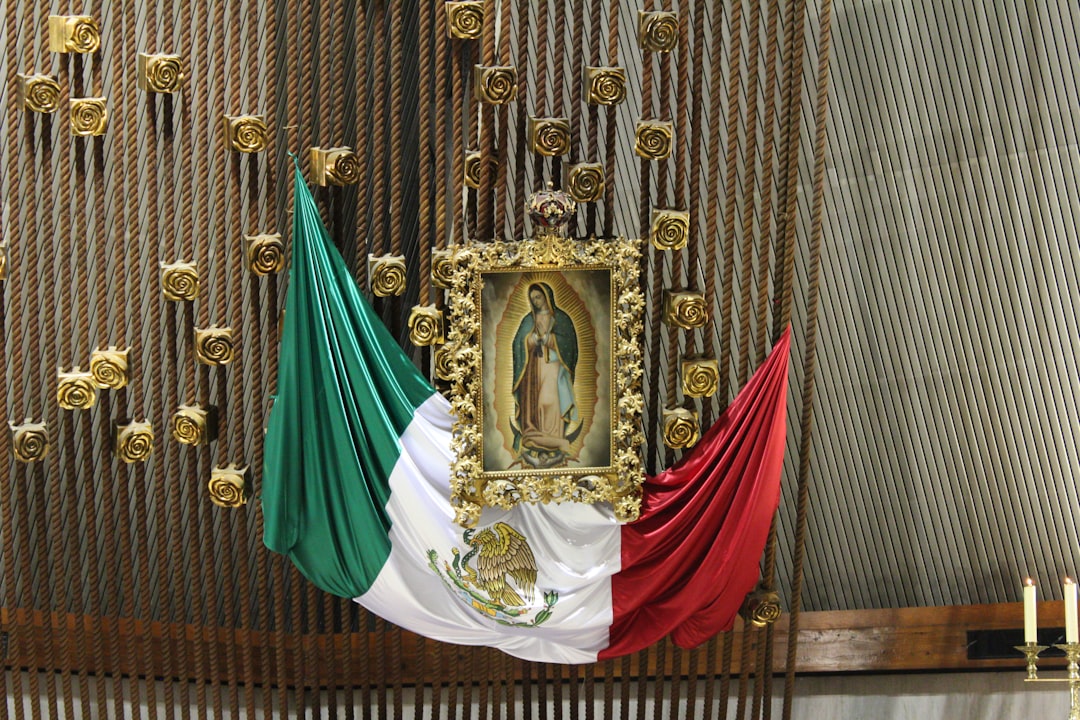
The culminating moment of the Sunday day was the solemn mass and the subsequent joint procession of the images of the Virgin of the Miracles and that of Guadalupe. The liturgical celebration continues throughout the week, with masses scheduled in the afternoon hours. The Marian festival will reach another high point on Sunday, September 21, with the celebration of Our Lady of Guadalupe, which will include a solemn mass and procession at 1 p.m., thus closing a cycle of intense religious and community activity.
Original source: www.farodevigo.es (published on September 15, 2025)