A Phenomenon That Attracts Crowds
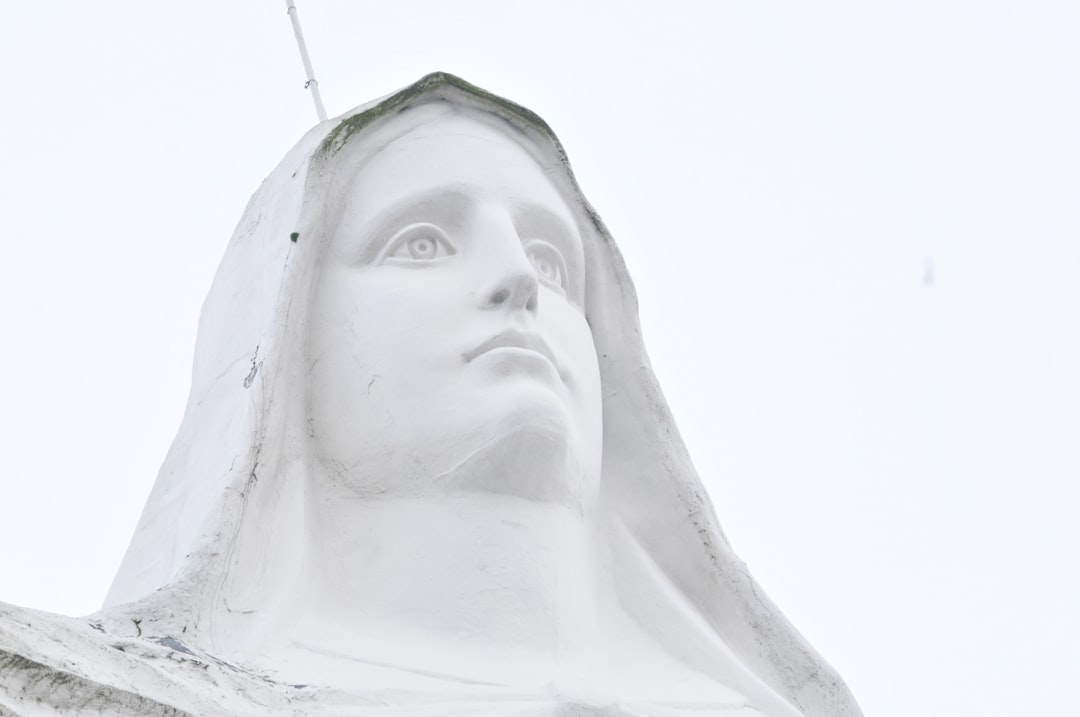
On September 19, 2024, the Dicastery for the Doctrine of the Faith published the declaration «A Rainha da Paz. Nota sobre a experiência espiritual ligada a Medjugorje» (The Queen of Peace. Note on the spiritual experience linked to Medjugorje). This document addresses one of the most massive phenomena of alleged Marian apparitions in recent decades, occurring in a small town in Bosnia-Herzegovina. The first alleged visions of the Virgin Mary, identified as «Queen of Peace,» date back to June 24, 1981, when six young people reported the event in a regional context marked by war.
A Pronouncement Focused on Spiritual Fruits
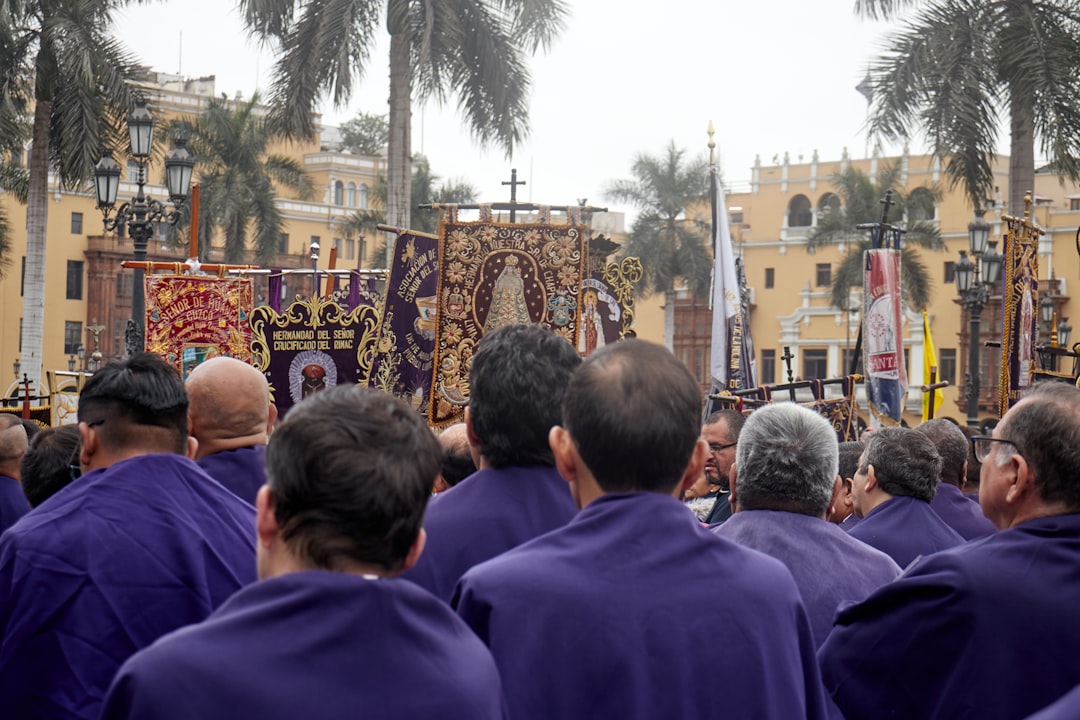
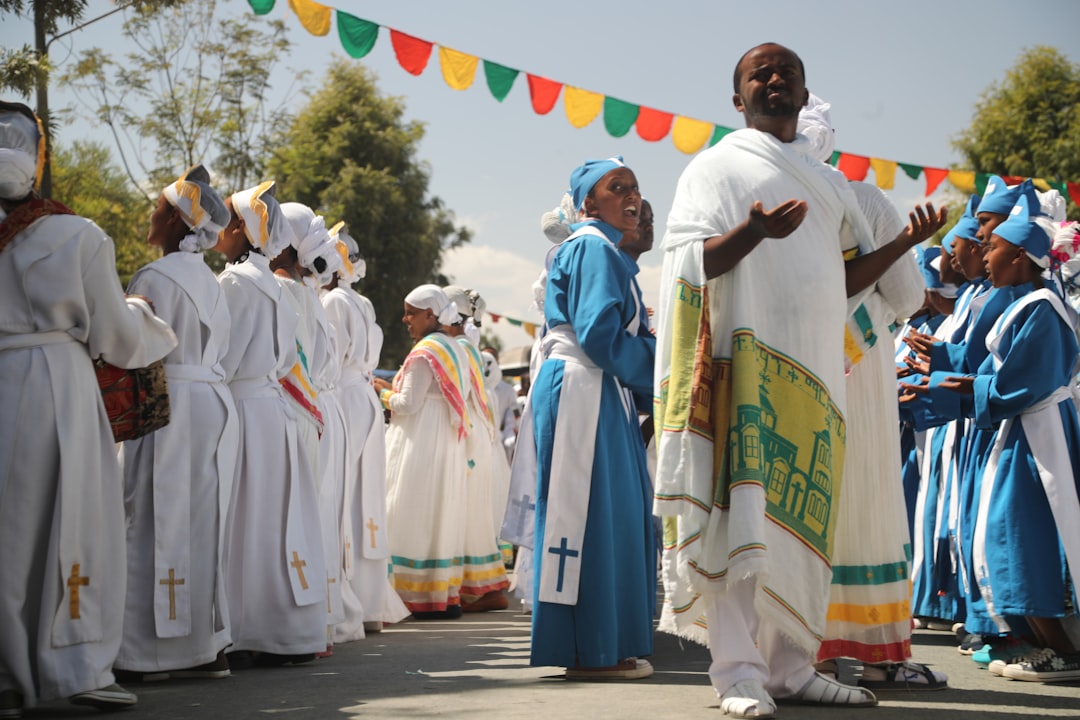
The Vatican’s Note neither approves nor denies the supernatural authenticity of the apparitions. Instead, it specifically focuses on «the spiritual experience linked to Medjugorje,» that is, the pilgrimages and worship rendered there to the Mother of God. The document explicitly recognizes the positive impact the site has had on the lives of numerous faithful, highlighting «a spiritual rebirth» manifested in intense participation in Mass, praying the rosary, Eucharistic adoration, and numerous personal and marital reconciliations.
The Principle of Discernment: «By Their Fruits You Will Know Them»
By enumerating these spiritual fruits, the ecclesial declaration implicitly applies the evangelical principle of discernment cited in the Gospel of Matthew (7:16-18.20): «By their fruits you will know them.» The Church values that, regardless of the final judgment on the events, the Medjugorje experience has led many toward a fuller sacramental life and a deeper relationship with Christ. The Note precisely emphasizes the importance of placing Christ at the center of every spiritual experience, noting that the messages attributed to the Virgin in Medjugorje constantly guide the faithful toward her Son.
Marian Devotion in Its Proper Measure
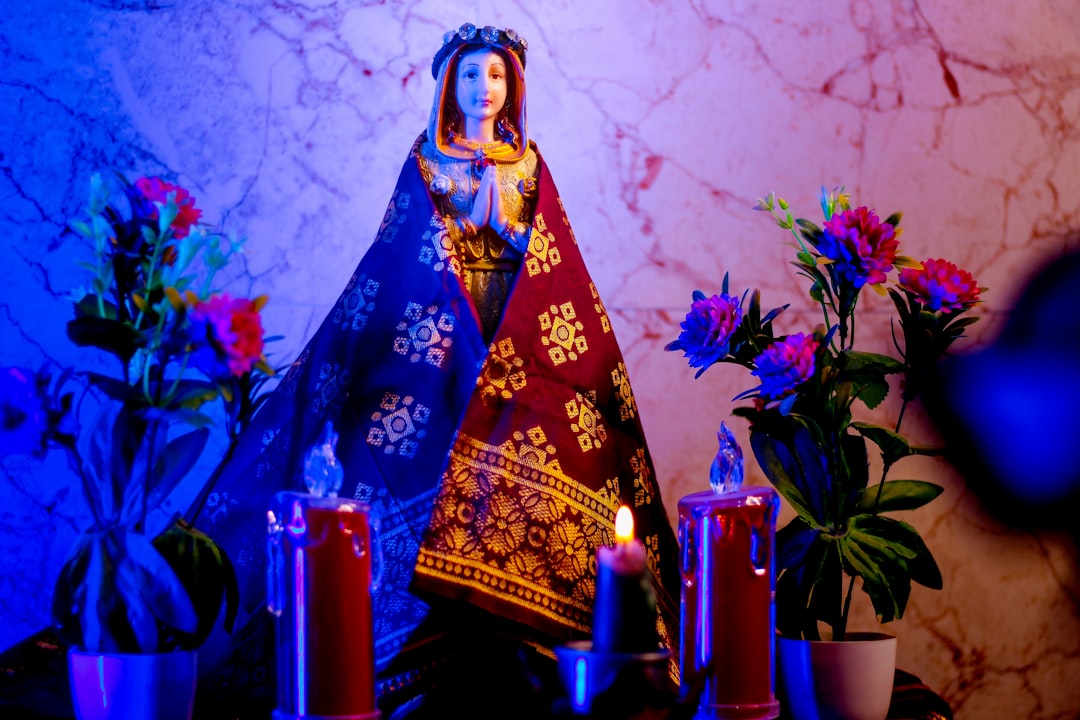
The document recalls the theological foundations of Marian worship in the Catholic Church. Mary is the object of special veneration (hyperdulia) due to her unique participation in the mystery of the Incarnation, but adoration (latria) is reserved solely for God. Devotion to the Virgin is, therefore, secondary and instrumental: it is subordinate to divine worship and has as its ultimate goal leading believers to Christ. This Christocentric approach has been, according to analysts, decisive for the positive assessment contained in the Note.
Ecclesial Prudence and the Path Ahead
The Holy See maintains a characteristic attitude of prudence in these processes. Possible private revelations, even if authentic, are not part of the deposit of faith, and a Catholic is not obligated to believe in them. The Church carefully studies their conformity with doctrine and the fruits they generate, a process that can extend for decades, as occurred with Lourdes or Fátima. The current declaration states that «divergent opinions may exist regarding the authenticity of some aspects of the phenomenon,» but considers undeniable the conversions and decisions for spiritual renewal that have occurred. This «nim» or intermediate point is not an approval, but it is an auspicious indication that Medjugorje is consolidating, in the eyes of the Church, as a place of encounter with the Queen of Peace and with Christ.
Original source: observador.pt (published on September 28, 2024)