A devotion that transcends borders
December 12 marks the feast day of Our Lady of Guadalupe, a Marian devotion deeply rooted in the Catholic world, especially in Mexico. This annual celebration brings together millions of faithful who venerate the patron saint of the Americas, recognized by the Catholic Church as a symbol of unity and faith.
Historical origins and religious context
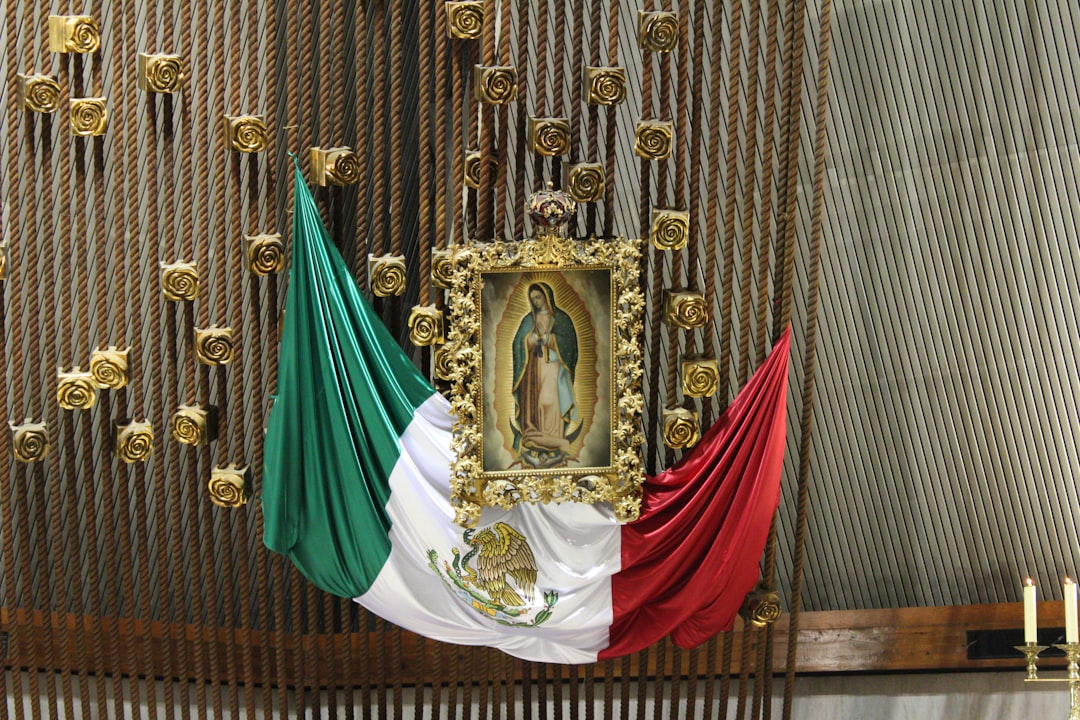
According to Catholic tradition, the apparitions of the Virgin of Guadalupe occurred on Tepeyac Hill, north of Mexico City, in December 1531. The Virgin appeared before the indigenous Juan Diego Cuauhtlatoatzin, requesting the construction of a temple on that site. As proof of her appearance, she left her image imprinted on Juan Diego's tilma or ayate cloak, woven from maguey fiber, which normally deteriorates within a few decades.
The scientific mystery of the tilma
What makes this object particularly remarkable, according to researchers and devotees, is its extraordinary preservation. The tilma, made almost 500 years ago from perishable materials, has withstood the passage of time, environmental exposure, and direct contact with millions of pilgrims. In 1921, it survived intact a bomb attack at its feet that severely damaged the immediate surroundings.
Ophthalmological studies and discoveries
Various scientific examinations carried out during the 20th century have provided evidence that many consider inexplicable from a natural perspective. Ophthalmologists who have analyzed the eyes of the image have reported the presence of what they describe as human figures reflected in the corneas, corresponding in size and position to what would be expected in a living human eye. These tiny images, visible only under microscopic magnification, would represent people present at the time the image was formed, according to Guadalupan tradition.
Meaning in Catholic tradition
For the Catholic Church, the true miracle of Guadalupe transcends physical phenomena. It represents the encounter between Christian evangelization and the indigenous cultures of America, symbolized by a dark-skinned Virgin who speaks Nahuatl. Her image synthesizes theological and cultural elements that facilitated the integration of the Christian message into the New World. The Basilica of Guadalupe in Mexico City is today the most visited Marian shrine in the world, receiving approximately 20 million pilgrims annually.
A devotion that endures
Beyond the historical discussions about Marian devotions, devotion to the Virgin of Guadalupe is a spiritual pillar for millions of Catholics. Her image, reproduced in countless homes, churches, and public spaces, continues to be a symbol of identity, faith, and hope that transcends generations and geographical boundaries.
Original source: www.hispanidad.com (published December 12, 2025)
Photo: Edgar Henríquez, LC on Unsplash